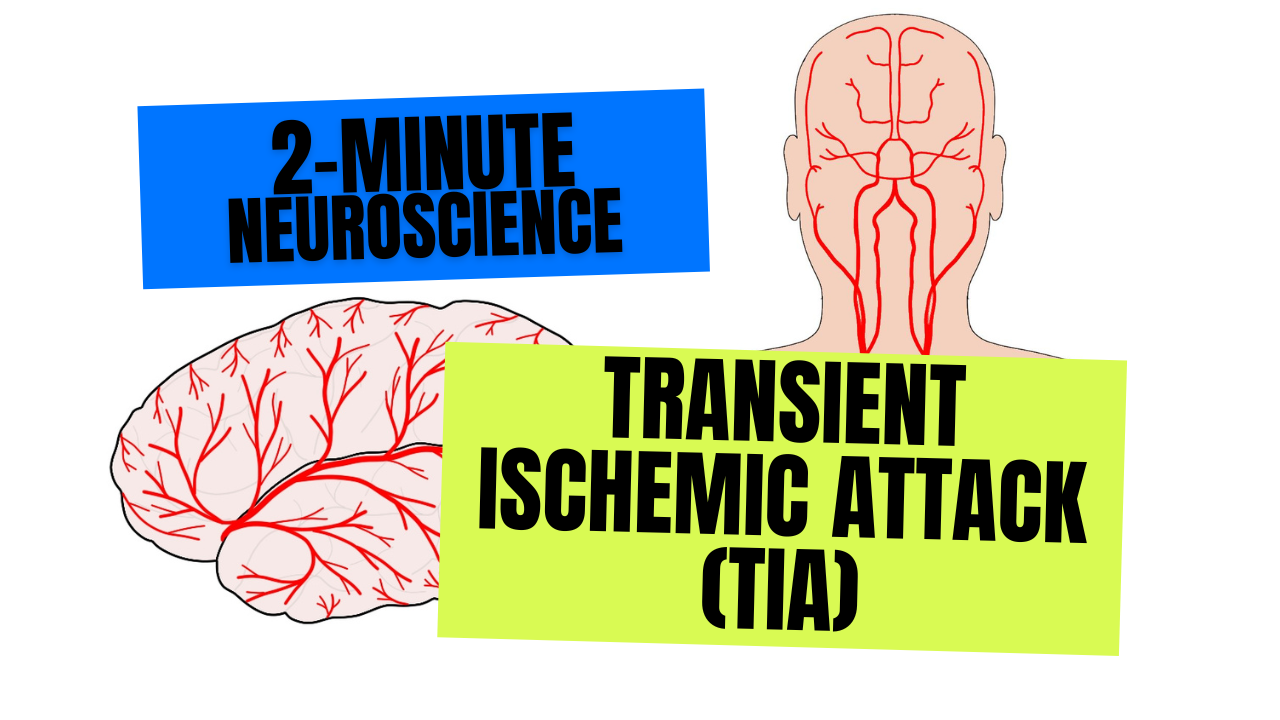
2-Minute Neuroscience: Transient Ischemic Attack (TIA)
A transient ischemic attack, or TIA, is often called a “mini-stroke.” TIA is a condition caused by disrupted blood supply to the brain, which results in temporary neurological symptoms without…
How the brain helps us perceive, move, and experience the world.
A transient ischemic attack, or TIA, is often called a “mini-stroke.” TIA is a condition caused by disrupted blood supply to the brain, which results in temporary neurological symptoms without…
Leptin and ghrelin are two hormones that exert opposing influences in the regulation of appetite and energy balance. In this video, I discuss the…
Color blindness is a condition in which a person has difficulty seeing or distinguishing certain colors. In this video, I explain the biological mechanisms…
In this video, I discuss the neuroscience of sleep, covering sleep stages, arousal- and sleep-promoting systems in the brain, REM vs. non-REM sleep and…
Subarachnoid hemorrhage is bleeding into the subarachnoid space, the thin space between two layers of the meninges: the arachnoid mater and pia mater. Subarachnoid…
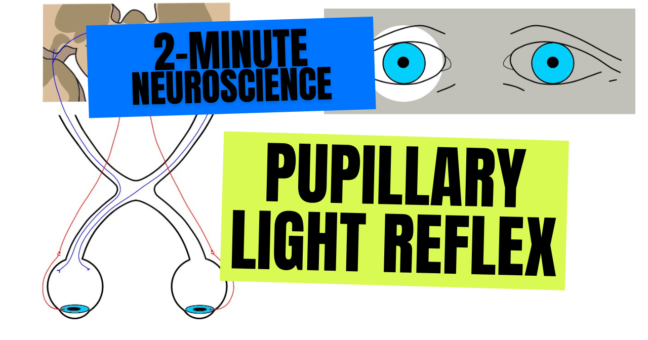
The pupillary light reflex controls the size of the pupil in response to light. When light is shined into one eye, both pupils constrict.…
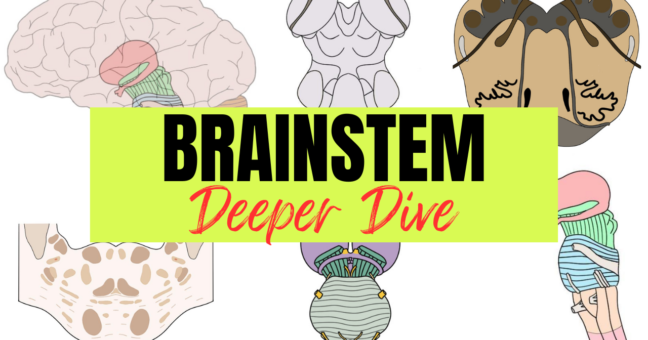
The brainstem connects the brain to the spinal cord and is essential to both survival and healthy nervous system function. In this video, I…
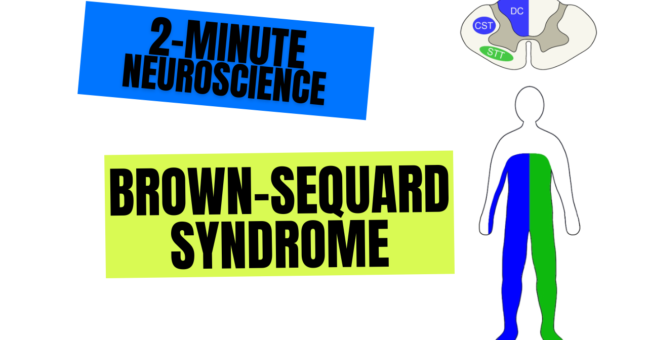
Brown-Séquard syndrome is a rare neurological condition caused by damage to one side of the spinal cord, a situation referred to as hemisection of…
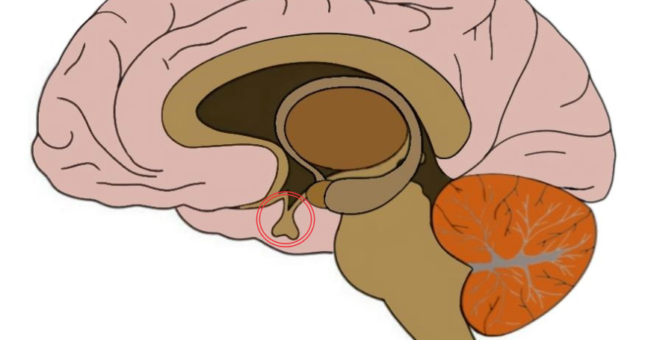
The pituitary gland is an endocrine gland that’s often called the “master gland” because it not only secretes many important hormones, but also regulates…
Melatonin is a naturally-occurring hormone that plays an important role in the regulation of circadian rhythms and sleep, but it is also prescribed or…
Gut-brain axis is a term used to describe bidirectional signaling between the brain, a large portion of our gastrointestinal tract referred to as the…
The primary visual cortex, also known as V1, is a brain region that is critically important for the processing of visual information. In this…
Carpal tunnel syndrome is a common condition caused by the compression of the median nerve. This video explores the causes, symptoms, and treatment options…
Explore the cells and structures behind perception and attention.
Explore all entries →