2-Minute Neuroscience: Zolpidem (Ambien)
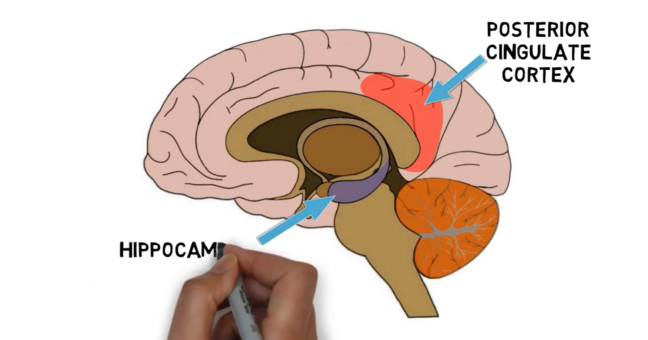
Zolpidem, better known by the brand name Ambien, is a medication primarily used to treat insomnia and other sleep-related problems. In this video, I…
How the brain helps us perceive, move, and experience the world.
Zolpidem, better known by the brand name Ambien, is a medication primarily used to treat insomnia and other sleep-related problems. In this video, I…
Sleepwalking, or somnambulism, involves walking and other behaviors that are performed during incomplete arousal from sleep. In this video, I discuss some hypotheses about…
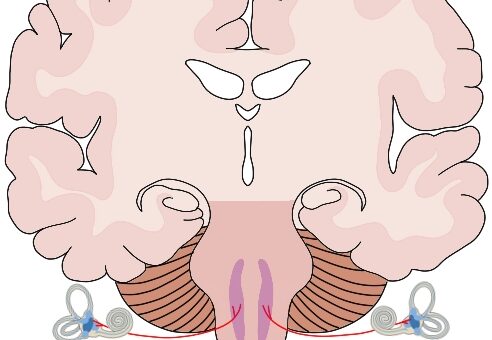
Vertigo involves the illusion of movement, where someone either feels like they or the environment around them is moving—usually in a spinning manner. In…
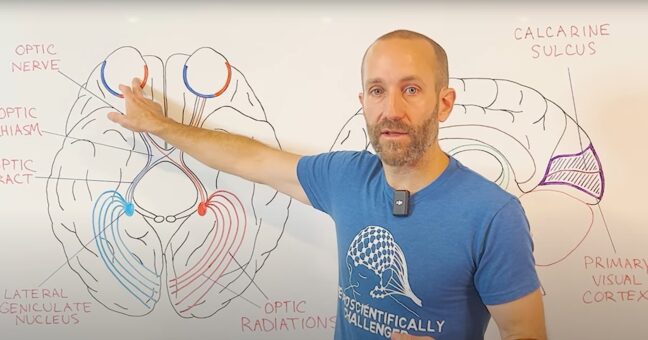
In this video, I cover the pathway visual information travels moving from the eye to the visual cortex and surrounding areas. First, I discuss…
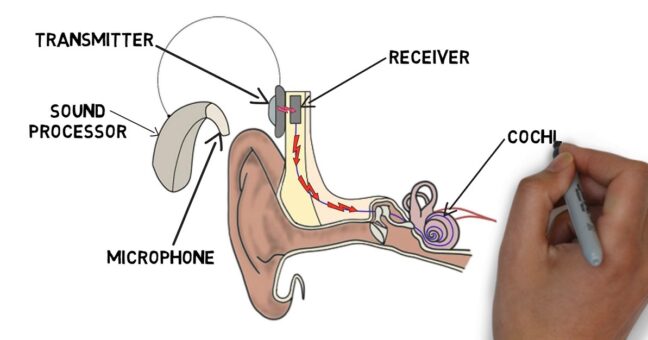
A cochlear implant is an electronic device that can restore sound perception in people with certain types of severe hearing loss by picking up…
Sleep paralysis is a relatively common phenomenon in which someone experiences a state of immobility just before falling asleep or upon awakening. In this…
Fatal insomnia is a very rare neurodegenerative disease characterized by progressively worsening insomnia and eventual death. In this video, I explain the symptoms of…
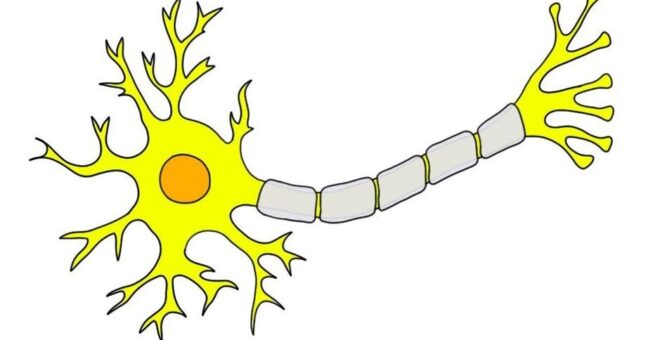
Neurons are the fundamental cells of the nervous system. They're able to communicate with one another and with cells in other types of tissues…
Restless legs syndrome (RLS) is a condition that causes an urge to move the legs that often occurs along with uncomfortable sensations in the…
Narcolepsy is a chronic condition that causes excessive daytime sleepiness and leads to an increased tendency to fall asleep during daytime activities. In this…
Explore the cells and structures behind perception and attention.
Explore all entries →