Feeling
2-Minute Neuroscience: Anxiety
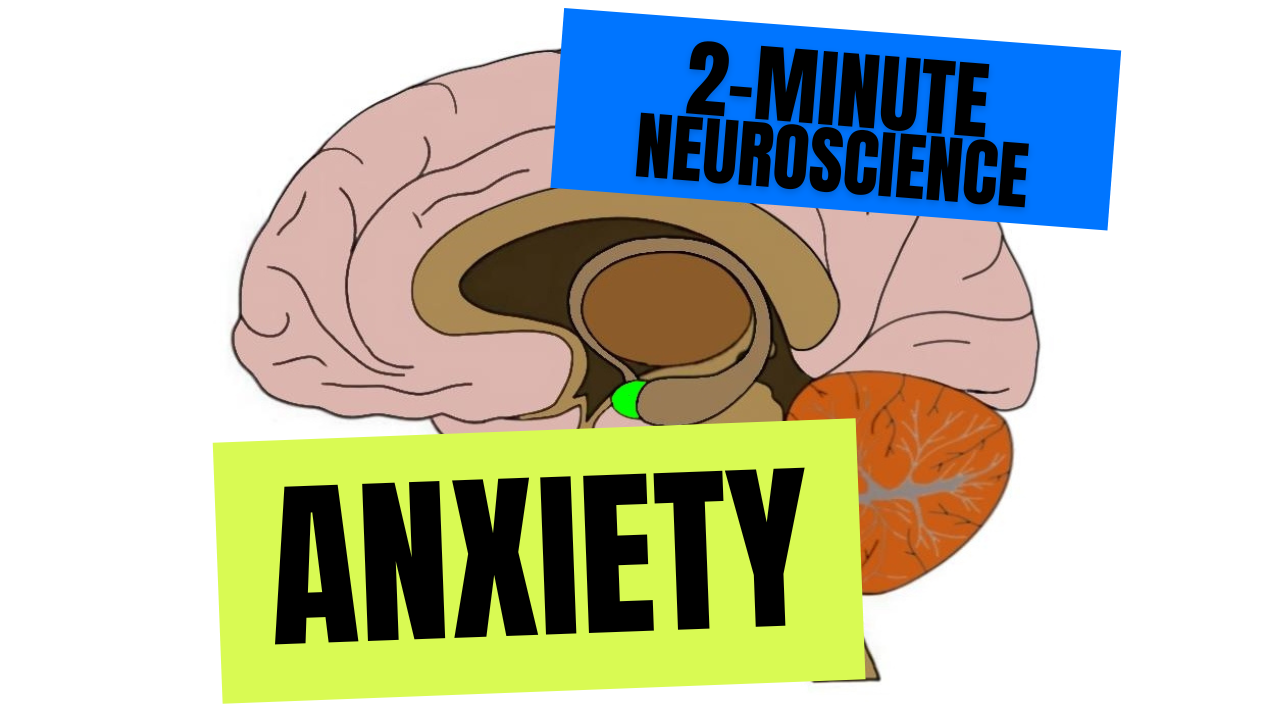
Anxiety is a state of heightened apprehension or worry, often related to potential, distant, or uncertain danger. In this video, I explore what happens in the brain when we experience…
The science behind emotions, moods, and motivation.
Anxiety is a state of heightened apprehension or worry, often related to potential, distant, or uncertain danger. In this video, I explore what happens in the brain when we experience…
Clinical depression is a disorder that affects mood, thinking, and behavior. In this video, I discuss several hypotheses regarding the neurobiological mechanisms that may…
In this video, I explore the brain mechanisms underlying rewarding experiences and addiction. I discuss dopamine’s role in reward and addictive behavior, the major…
Beta blockers are a class of medications originally developed to treat hypertension and other cardiovascular conditions. In recent years, they have become an increasingly…
A panic attack is a sudden episode of intense fear or discomfort that comes on abruptly and involves a cascade of physical and cognitive…
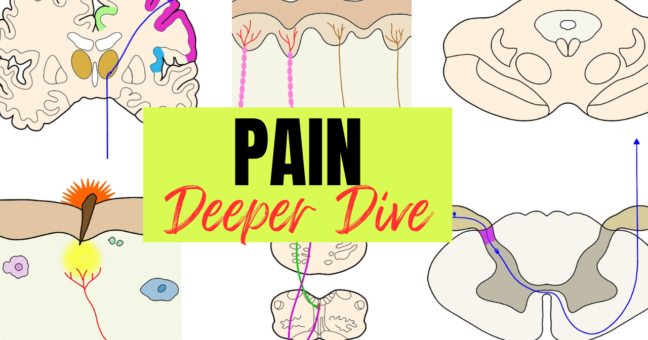
In this video, I’ll provide an overview of how pain is detected, transmitted, and processed in the nervous system. I’ll cover topics like nociceptors…
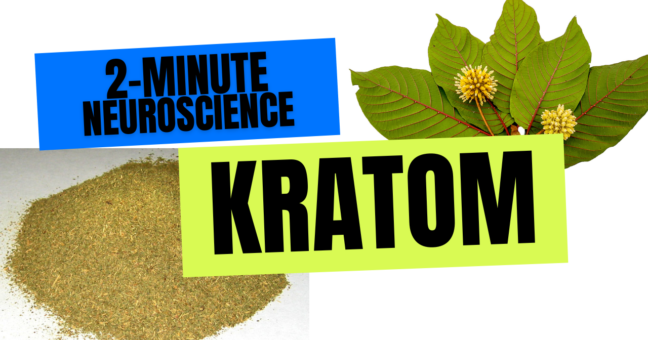
Kratom is a drug that can have both stimulant and opioid-like effects, depending on the dose. In this video, I discuss the mechanisms by…
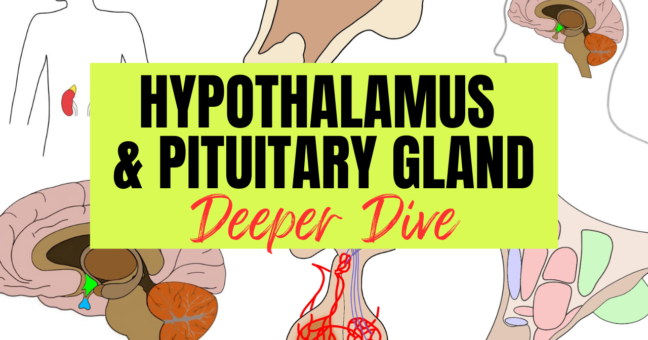
The hypothalamus and pituitary gland work together to produce and release a number of hormones that are critically important for a long list of…
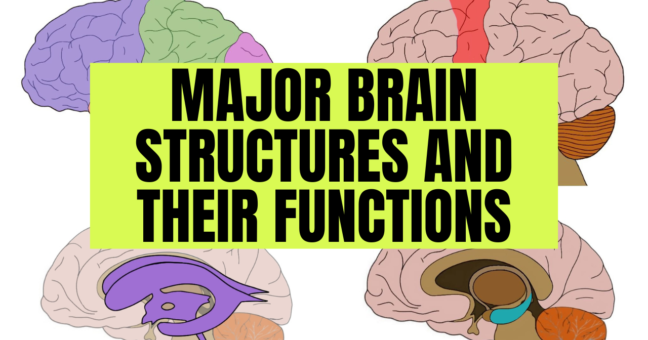
In this video, I’ll provide an overview of some important brain structures, explaining where they’re located and what their general functions are. I'll cover…
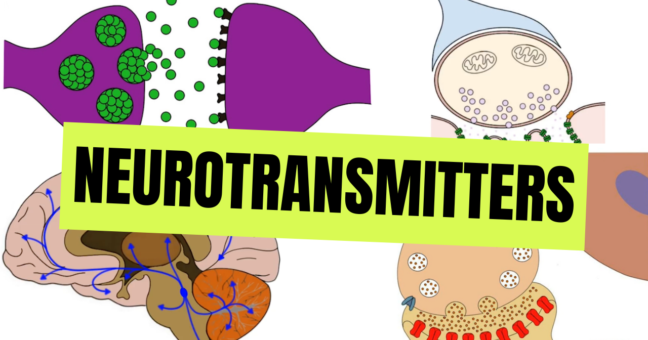
Neurotransmitters are chemicals that neurons use to communicate with one another. In this video, I cover synapses (where neurotransmitter signaling typically occurs), neurotransmitter receptors,…
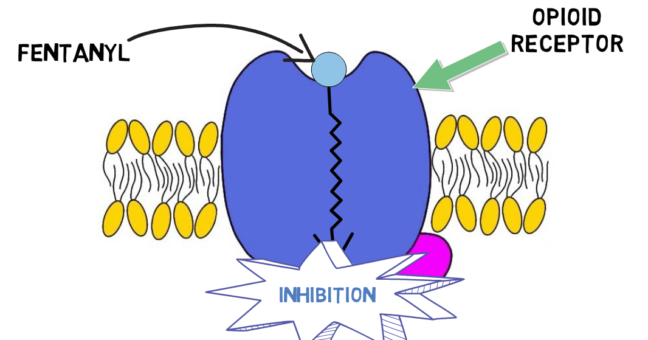
Fentanyl is a highly potent opioid drug that’s approximately 75-100 times more potent than morphine, and has a rapid time to onset compared to…
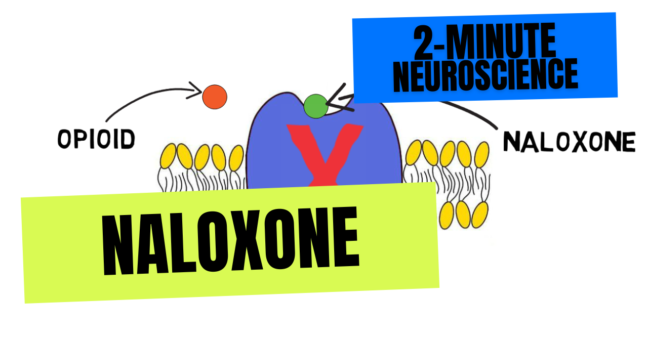
Naloxone, also known by the brand name Narcan, is a medication that can be used to treat opioid overdose and substantially reduce the risk…
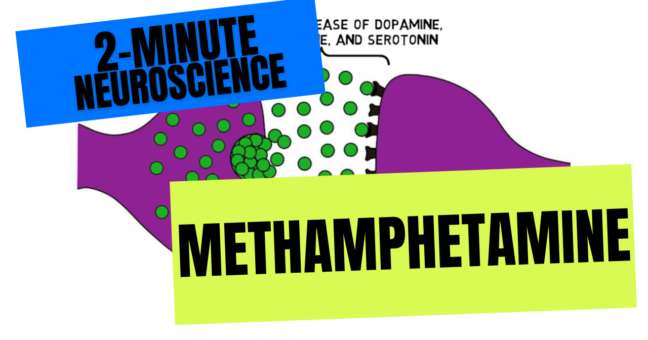
In this video, I discuss how methamphetamine works in the brain to produce its strong stimulant effects. To watch the video, click the "continue…
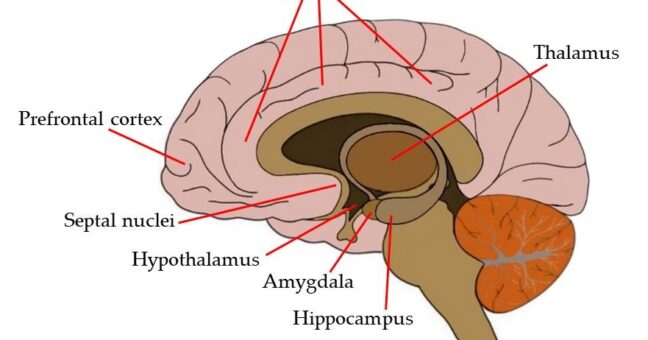
Explore the structures involved in emotion, memory, and regulation.
 Limbic System
Where is the limbic system? The word limbic comes from the Latin…
 Reward System
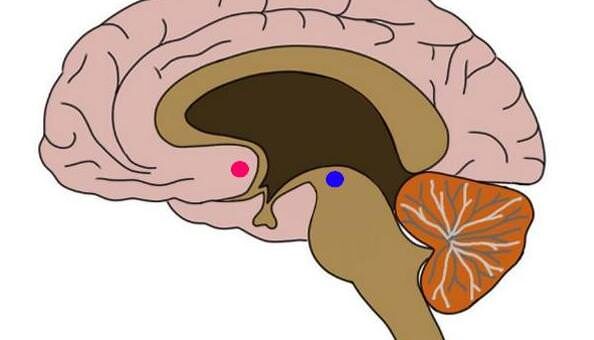
A collection of structures, including the nucleus accumbens and ventral tegmental area,…