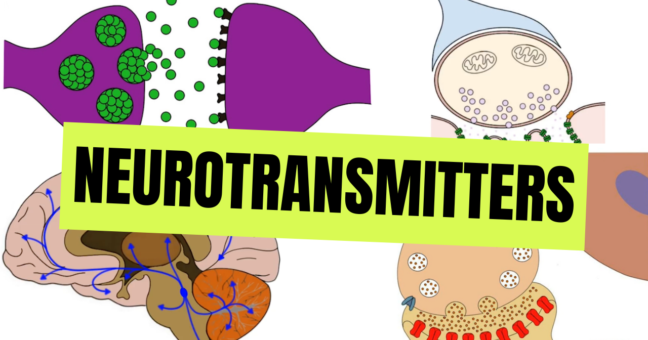
Neurotransmitters
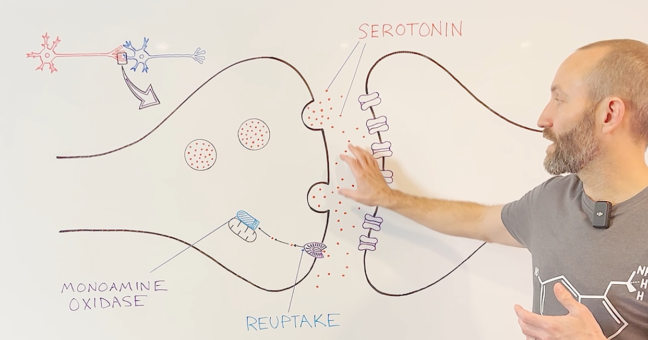
Neurotransmitters are chemicals that neurons use to communicate with one another. In this video, I cover synapses (where neurotransmitter signaling typically occurs), neurotransmitter receptors,…
The science behind emotions, moods, and motivation.
Neurotransmitters are chemicals that neurons use to communicate with one another. In this video, I cover synapses (where neurotransmitter signaling typically occurs), neurotransmitter receptors,…
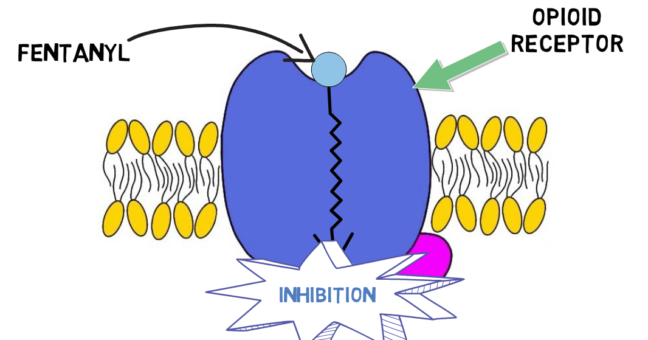
Fentanyl is a highly potent opioid drug that’s approximately 75-100 times more potent than morphine, and has a rapid time to onset compared to…
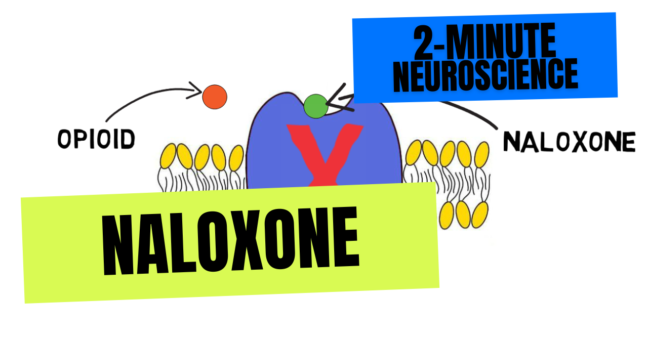
Naloxone, also known by the brand name Narcan, is a medication that can be used to treat opioid overdose and substantially reduce the risk…
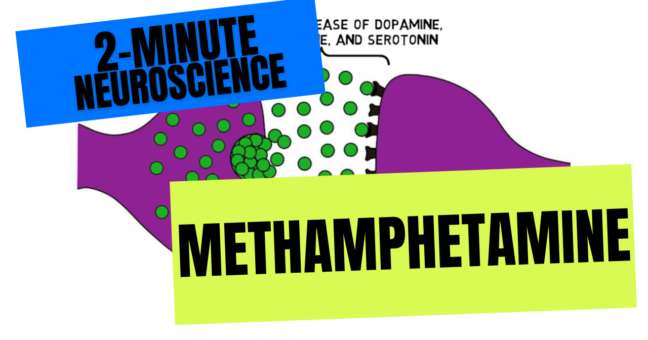
In this video, I discuss how methamphetamine works in the brain to produce its strong stimulant effects. To watch the video, click the "continue…
Seasonal affective disorder is a subtype of depression or bipolar disorder in which symptoms appear at specific times of the year and go into…
In this video, I discuss the neuroscience of depression. First, I cover the serotonin hypothesis, which suggests depression is caused by low levels of…
The brain is our most enigmatic organ. It has made humanity capable of amazing technological feats, yet at the same time it’s responsible for…
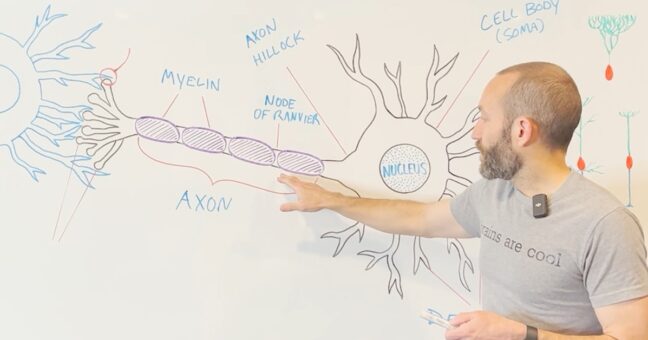
In this video (my first 10-Minute Neuroscience video), I cover all of the main parts of a neuron including the dendrites, cell body (soma),…
Post-traumatic stress disorder, or PTSD, is a disorder that develops after someone experiences a traumatic event; it involves a variety of intrusive symptoms related…
Where is the limbic system? The word limbic comes from the Latin limbus, which means "border." The term was originally introduced in the 1600s…
Explore the structures involved in emotion, memory, and regulation.
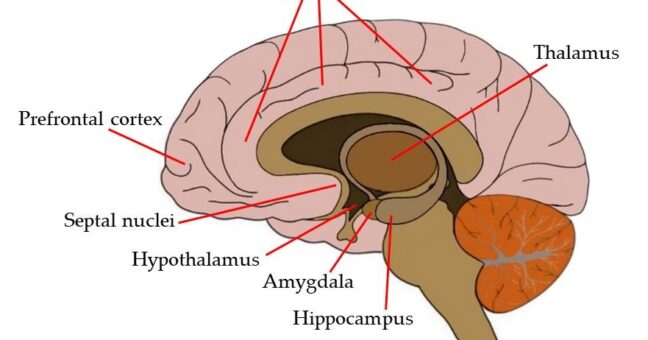 Limbic System
Where is the limbic system? The word limbic comes from the Latin…
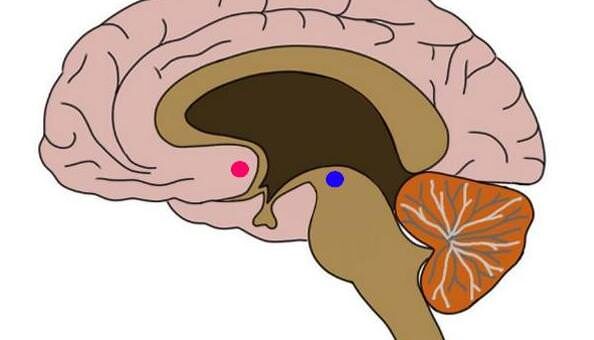 Reward System
A collection of structures, including the nucleus accumbens and ventral tegmental area,…