By
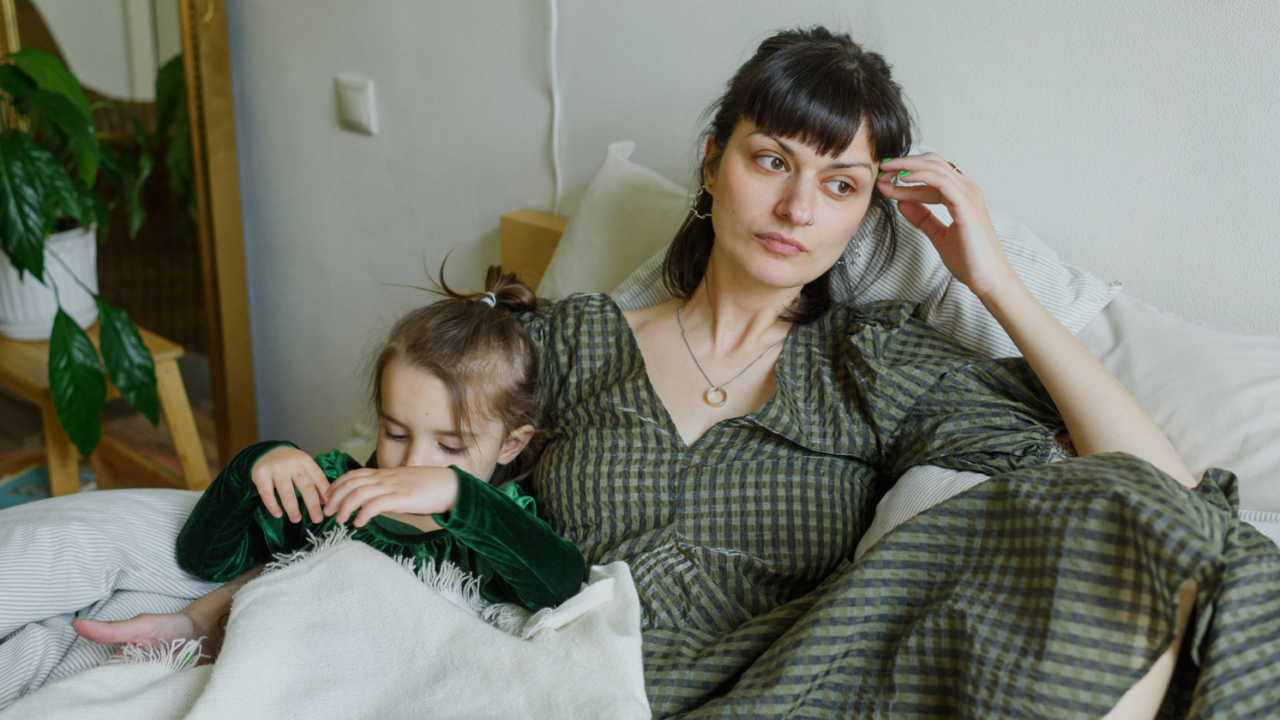
The family gathering is winding down. Plates are stacked, leftovers are wrapped and the children are asleep in the car. One person has been on their feet all afternoon: they brought the dessert, refilled drinks, washed the dishes and drove three hours to be there.
As they head out the door, everyone thanks them. But nobody asked how they’ve been, and on the drive home, the evening feels strangely empty. For many people, this kind of loneliness is familiar, and research helps explain why.
The family’s quiet organiser
Sociologists have a name for the person who keeps a family connected: the kinkeeper. In a classic 1985 study, Carolyn Rosenthal found that many families have one person, most often a woman, who organises get-togethers, keeps in touch with relatives and passes on news.
Kinkeepers make family life work. They remember birthdays, check on elderly relatives and keep everyone in the loop. But because their efforts become routine, other family members can start to take them for granted.
Invisible work
Much of what kinkeepers do happens behind the scenes. In a 2019 study, sociologist Allison Daminger described the “cognitive labour” of family life: anticipating needs, planning ahead, making decisions and keeping track of what needs to be done.
This mental work is often invisible to everyone except the person doing it. When things run smoothly, others may not realise how much effort went into it. The person who carried the load can end up feeling unseen, even in a room full of people who love them.
When giving isn’t returned
Helping family can be deeply rewarding, but problems arise when it only flows one way. In a study of more than 1,200 American adults, Diana Wang and Tara Gruenewald found that people who gave much more support than they received, from partners, family and friends, tended to report more stress and more symptoms of depression and anxiety.
The researchers found that imbalance mattered differently across relationship types and ages. But overall, feeling like the one who always gives, without getting much back, was linked to poorer wellbeing.
Why nobody asks
Families often fall into roles that are set early and rarely questioned. The reliable sibling, the one who always copes, the one who never needs anything. Over time, others may simply stop imagining that this person could be struggling.
Many helpers also find it hard to ask for support themselves. They may not want to be a burden, or they may be so used to looking after others that their own needs feel less important. That can make their loneliness harder for others to notice.
The power of a simple question
One small habit can make a real difference: asking questions. In a 2017 set of studies, Karen Huang and colleagues at Harvard found that people who asked more questions in conversations, especially follow-up questions, were liked more by the people they talked with.
For family members, this is an easy step. Asking “How have you really been?” or following up on something the person mentioned last time can help them feel noticed, not just appreciated for what they do.
Letting the helper be helped
For kinkeepers, changing the pattern often starts with small acts of openness. That might mean letting a sibling host next time, accepting an offer of help with the dishes or mentioning that things have been hard lately.
Families tend to run on habits, and those habits can shift when someone gently changes their role. The person who always shows up deserves to be shown up for too. Sometimes, all it takes is one family member noticing who’s been quietly holding everything together, and asking how they’re doing.