By
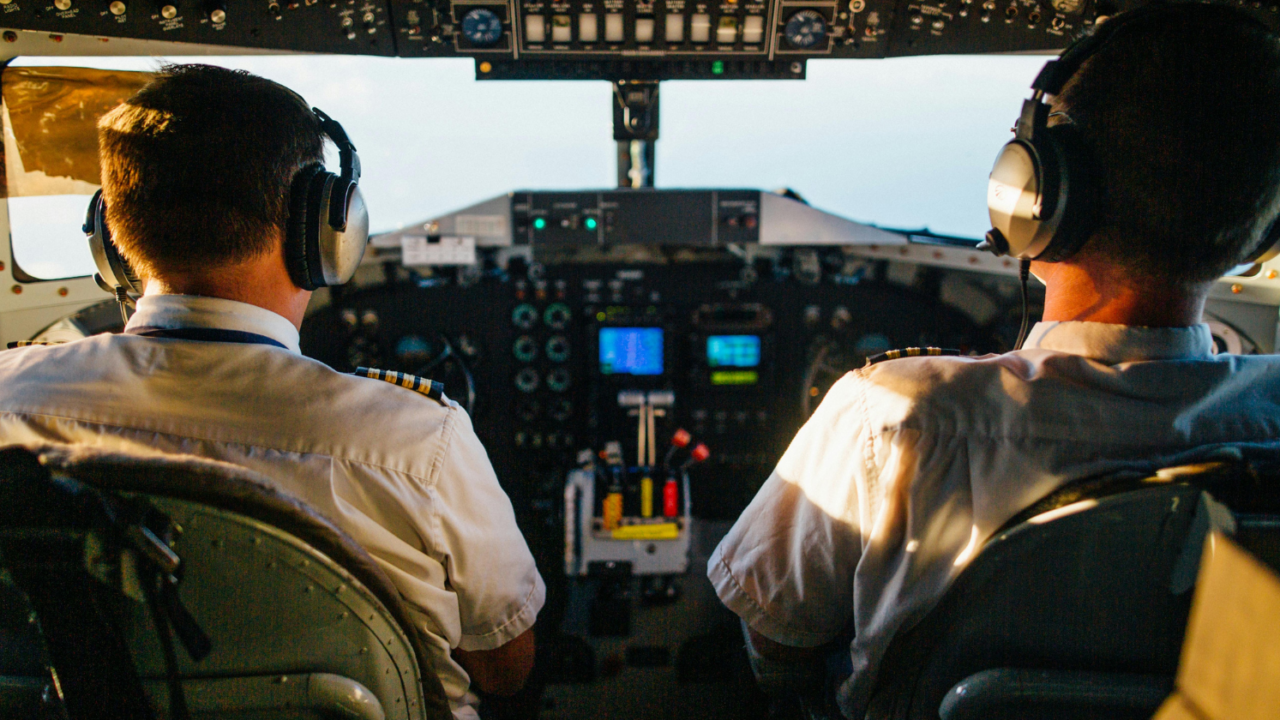
It's just after seven in the morning. An Airbus A320 is climbing out of Kendari, on the Indonesian island of Sulawesi, bound for Jakarta. On board are 153 passengers and four cabin crew.
At about 36,000 feet, the captain tells his co-pilot he needs to rest. The co-pilot takes over.
A little later, the co-pilot falls asleep too. For the next 28 minutes, nobody is awake at the controls.
What happened on Batik Air flight 6723?
The flight took place on 25 January 2024. The two pilots, aged 32 and 28, had already flown the outbound leg from Jakarta to Kendari that morning.
According to a preliminary report by Indonesia's National Transportation Safety Committee, the younger pilot had told his captain before the first flight that he hadn't rested properly. He had one-month-old twins at home and had been waking repeatedly in the night to help his wife look after them. The family had also recently moved house.
On the return flight, the captain asked to rest, which is allowed in some airlines' procedures. He woke briefly and offered the co-pilot a turn to sleep. The co-pilot declined.
About 20 minutes later, after a routine radio call, the co-pilot "inadvertently fell asleep", in the report's words.
Air traffic controllers in Jakarta tried to reach the plane. So did other pilots. No one answered.
When the captain finally woke up, he found his co-pilot asleep and the aircraft off its planned route. He woke his colleague, contacted air traffic control and corrected course. The plane landed safely, and no one was hurt. Both pilots were suspended.
How can someone fall asleep without meaning to?
Sleep isn't entirely voluntary. The longer you stay awake, the stronger the biological pressure to sleep becomes. Part of that pressure comes from adenosine, a chemical that builds up in the brain during waking hours and fades during sleep.
On top of that is the body's internal clock, run by a small cluster of cells in the hypothalamus. It creates natural dips in alertness, most strongly in the early hours of the morning and again in the early afternoon.
Combine a night of broken sleep with an early start, and those forces can become overwhelming. People in that state often slip into microsleeps: brief lapses lasting a few seconds, sometimes without even realising it. Given the chance, a microsleep can turn into real sleep.
Why is a cockpit at cruise so risky?
The calmest part of a flight can be one of the hardest for staying awake.
At cruising altitude, the autopilot does most of the flying. The cockpit is warm, the engines make a steady drone, and there's often little to do for long stretches. For a tired brain, low stimulation and a monotonous task are almost an invitation to sleep. It's the same reason drivers nod off on long, straight motorways rather than busy city streets.
That's exactly what happened here. Neither pilot set out to sleep at the same time. The exhaustion simply won.
Isn't sleeping in the cockpit dangerous?
Surprisingly, a short, planned nap can make flying safer, as long as someone else stays awake.
In the early 1990s, NASA researchers led by Mark Rosekind studied long-haul airline crews. In their study, one group of pilots was allowed a planned 40-minute rest period in their cockpit seat during the quiet cruise phase, while their colleagues kept flying. A comparison group had no rest.
The pilots given the chance to rest fell asleep on 93% of opportunities, typically within about six minutes, and slept for an average of 25.8 minutes. That's where the famous "26-minute nap" comes from.
Afterwards, they were more alert and performed better than the pilots who hadn't rested, including during the critical descent and landing. The researchers' widely quoted figures were a 34% improvement in performance and a 54% improvement in physiological alertness.
The key difference is that in NASA's study, the crews had three pilots. When one rested, two stayed awake. On the Batik Air flight, there were only two.
What changed afterwards?
The investigators recommended that Batik Air monitor crew fatigue more closely, make sure pilots were properly rested before duty, and introduce regular checks on the cockpit by cabin crew during flights.
Many airlines already use what's called "controlled rest", where one pilot may nap briefly while the other flies, under strict rules. Those rules are built on research like NASA's. The Batik Air incident was a stark reminder of what happens when the safeguards fail.
The co-pilot hadn't hidden his exhaustion. He'd mentioned it before the first flight even took off. Fatigue experts often point to that as the real lesson. Tiredness is rarely a surprise. The question is whether anyone acts on it in time.