2-Minute Neuroscience: Antipsychotics
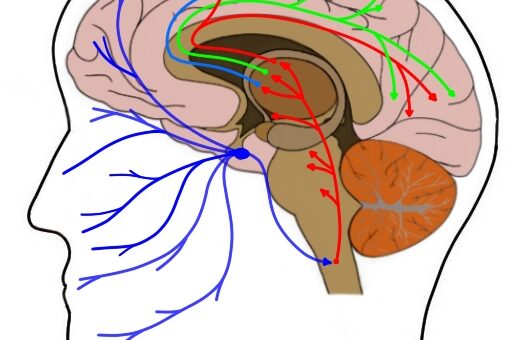
Antipsychotics are a class of drugs primarily used to manage the symptoms of psychosis; they are most commonly used to treat schizophrenia. In this…
How we think, learn, remember, and pay attention.
Antipsychotics are a class of drugs primarily used to manage the symptoms of psychosis; they are most commonly used to treat schizophrenia. In this…
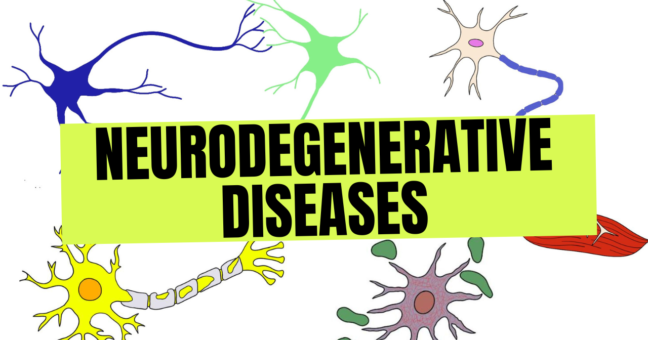
Neurodegenerative diseases are characterized by the degeneration and death of neurons. In this video, I first discuss some general characteristics and common pathologies of…
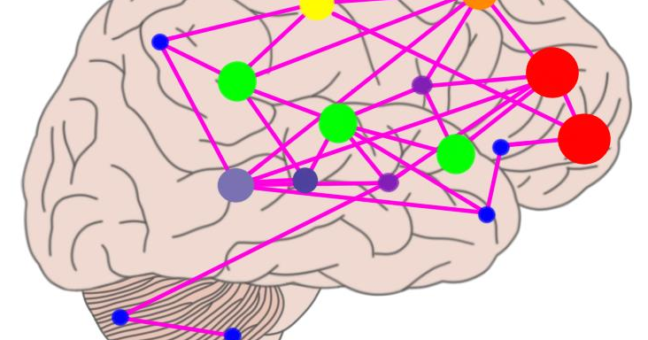
Default mode network is a term used to describe interconnected regions of the brain that display suppressed activity during cognitively demanding tasks focused on…
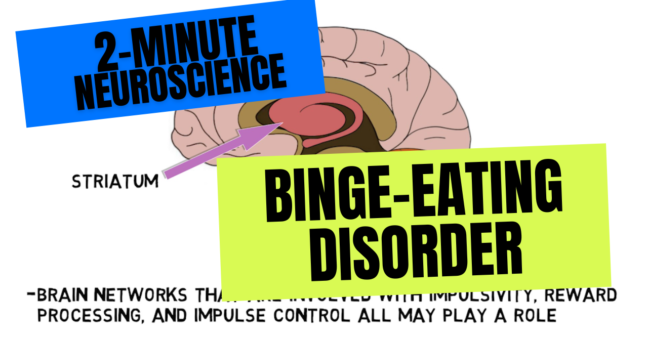
Binge-eating disorder is characterized by binge-eating episodes where someone takes in a relatively large amount of food in a given period of time. In…
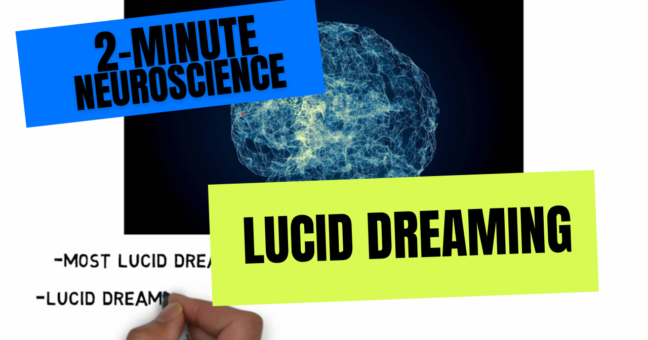
In this video, I discuss the neuroscience behind lucid dreaming, which occurs when someone who is dreaming becomes aware they are dreaming. To watch…
Migraine is a chronic neurological condition involving repeated headaches as well as a variety of other symptoms. In this video, I discuss the neurological…
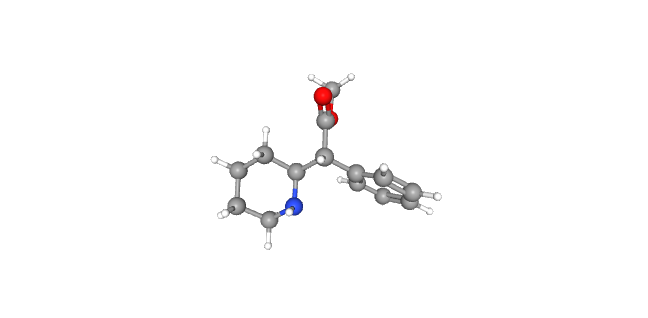
Methylphenidate, better known as Ritalin or Concerta, is a stimulant medication primarily used to treat ADHD. In this video, I discuss how methylphenidate affects…
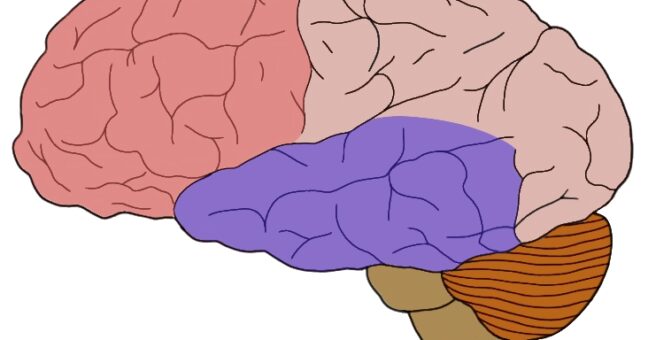
Frontotemporal dementia, or FTD, is a term used to describe a collection of related brain disorders that involve the neurodegeneration of the frontal and…
Schizophrenia is a potentially severe psychiatric condition that involves a variety of symptoms. In this video, I discuss the neuroscience of schizophrenia.
Explore the structures behind memory, thinking, and attention.
 Schizophrenia
Disorder characterized by a number of different psychiatric symptoms.
 Obsessive-Compulsive Disorder (OCD)