2-Minute Neuroscience: Aphasia
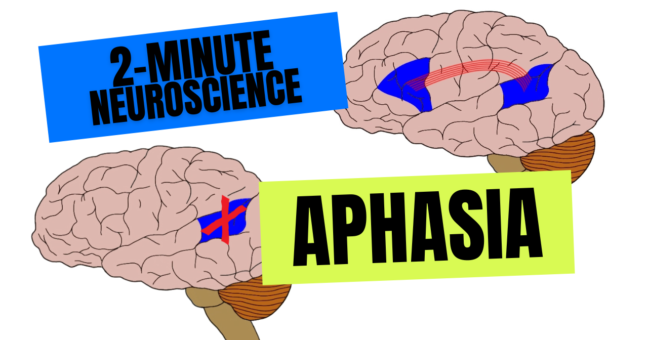
Aphasia is a language disorder caused by damage to areas of the brain involved in producing or understanding language. In this video, I discuss…

Aphasia is a language disorder caused by damage to areas of the brain involved in producing or understanding language. In this video, I discuss…
If you’re interested in testing and strengthening your neuroscience knowledge, I’ve created a free Quiz Bank on my website. It includes: ✓ More than…
If you enjoy my neuroscience content and want to take your learning further, I've created a free, self-paced Introduction to Neuroscience course on my…
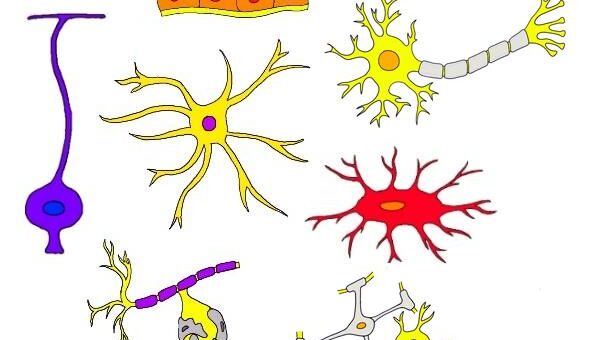
For much of the history of neuroscience, glial cells were treated like structures that existed mainly to support and hold neurons together. In fact,…
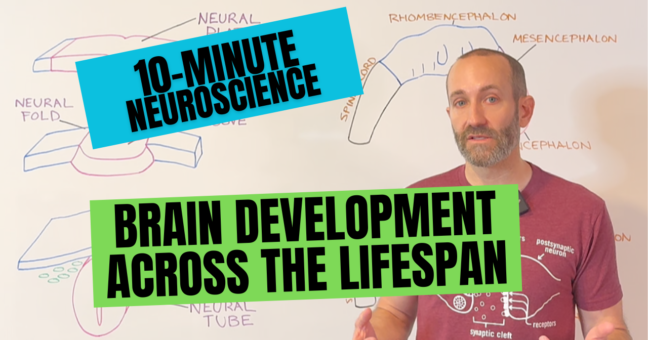
In this video, I explain how the brain changes across the lifespan, from early neural development to older adulthood. I cover the formation of…
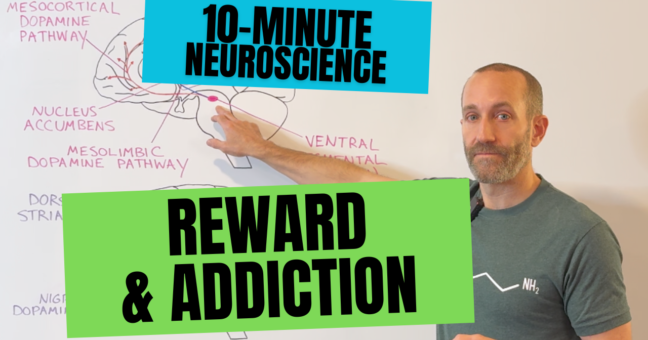
In this video, I explore the brain mechanisms underlying rewarding experiences and addiction. I discuss dopamine’s role in reward and addictive behavior, the major…
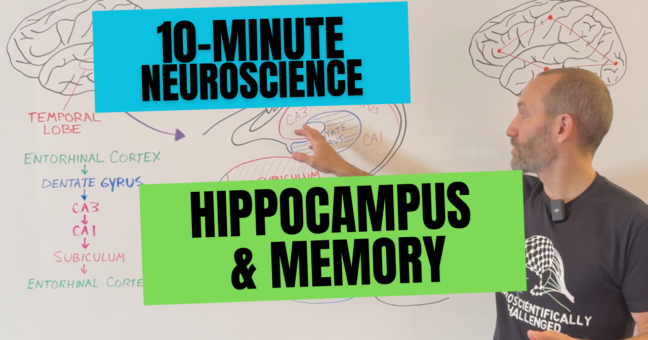
In this video, I explore the role of the hippocampus in memory. I begin with an overview of the different types of memory, then…
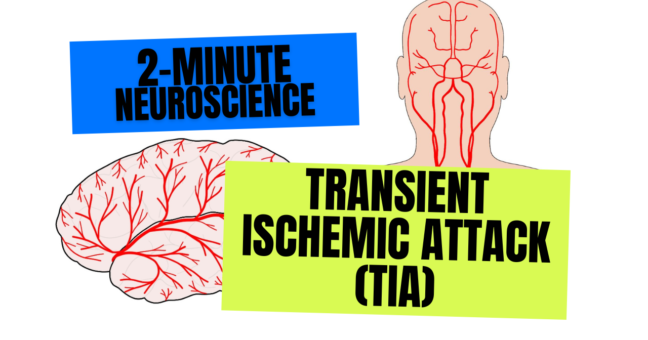
A transient ischemic attack, or TIA, is often called a “mini-stroke.” TIA is a condition caused by disrupted blood supply to the brain, which…
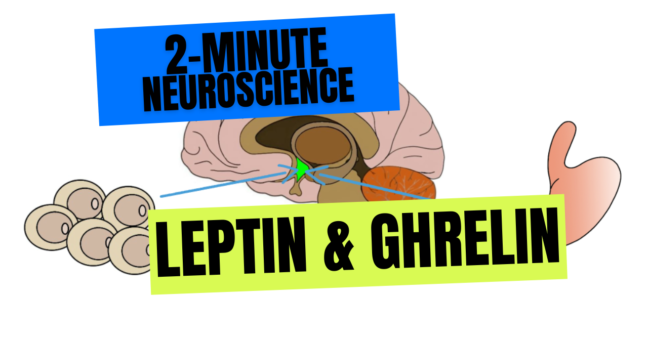
Leptin and ghrelin are two hormones that exert opposing influences in the regulation of appetite and energy balance. In this video, I discuss the…
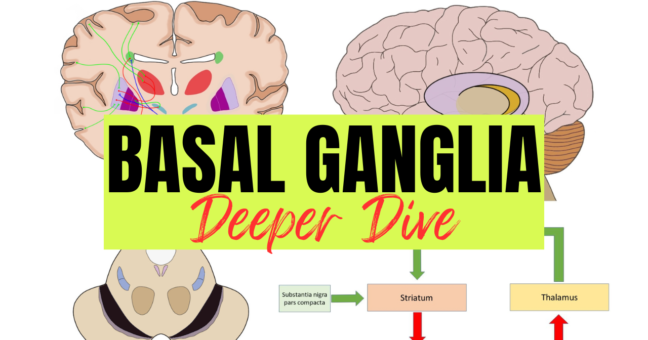
In this video, I discuss the anatomy and physiology of the basal ganglia—a group of structures that play a key role in movement as…