Major Brain Structures and Their Functions
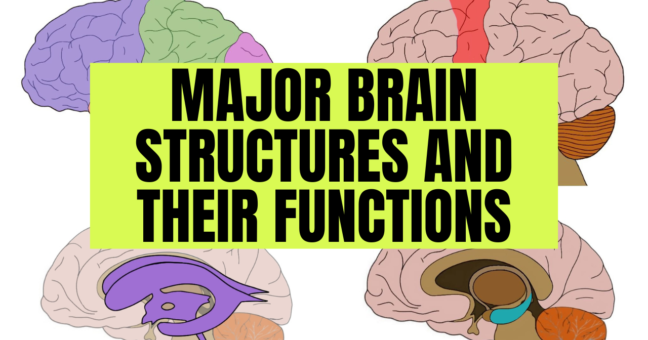
In this video, I’ll provide an overview of some important brain structures, explaining where they’re located and what their general functions are. I'll cover…

In this video, I’ll provide an overview of some important brain structures, explaining where they’re located and what their general functions are. I'll cover…
Neurodegenerative diseases are characterized by the degeneration and death of neurons. In this video, I first discuss some general characteristics and common pathologies of…
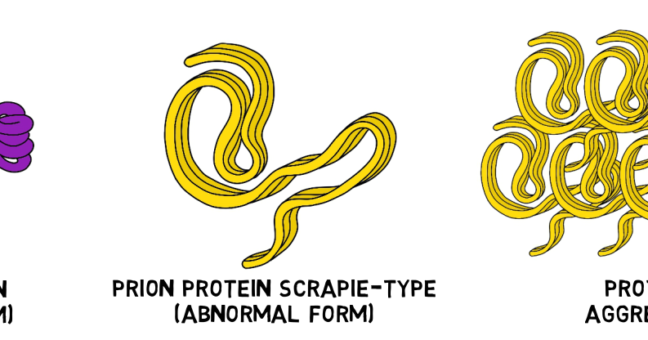
Prion diseases, also known as transmissible spongiform encephalopathies, are a group of neurodegenerative diseases that involve the accumulation of an abnormal form of a…
Neurotransmitters are chemicals that neurons use to communicate with one another. In this video, I cover synapses (where neurotransmitter signaling typically occurs), neurotransmitter receptors,…
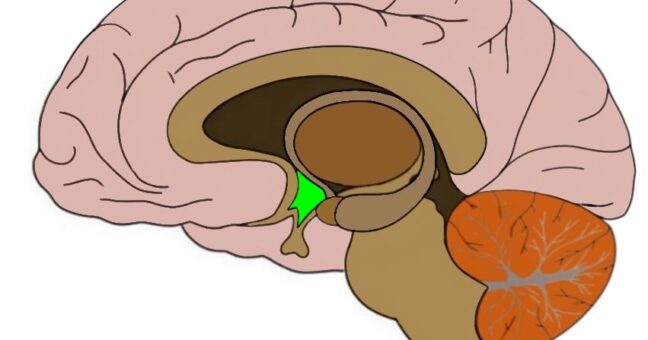
The hypothalamus is a complex structure that contains more than a dozen nuclei with different functional specializations. It is involved in a long list…
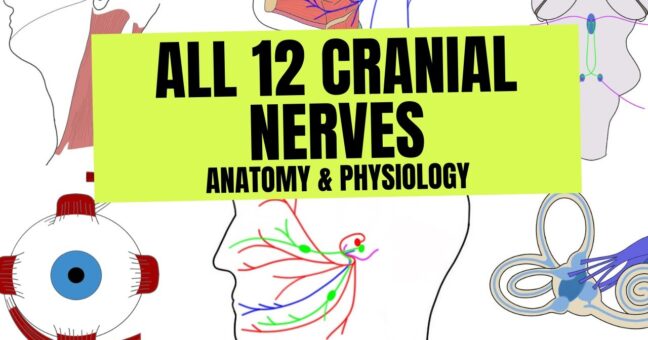
This video is a compilation of my 2-Minute Neuroscience videos on the cranial nerves. It covers the anatomy and physiology of all twelve cranial…
Melatonin is a naturally-occurring hormone that plays an important role in the regulation of circadian rhythms and sleep, but it is also prescribed or…
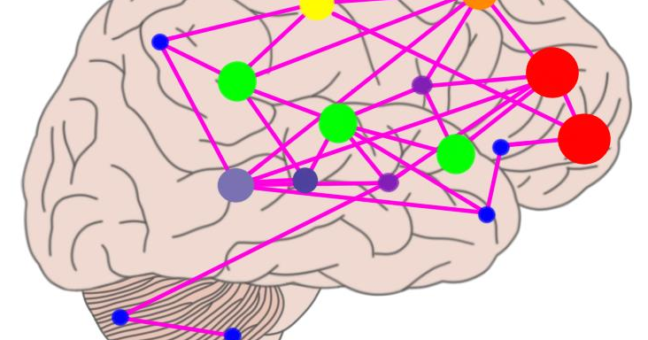
Default mode network is a term used to describe interconnected regions of the brain that display suppressed activity during cognitively demanding tasks focused on…
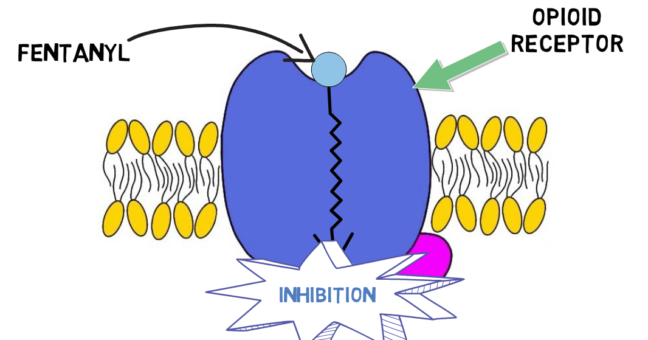
Fentanyl is a highly potent opioid drug that’s approximately 75-100 times more potent than morphine, and has a rapid time to onset compared to…
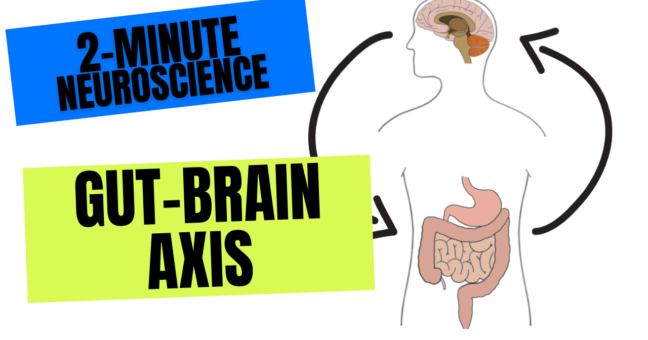
Gut-brain axis is a term used to describe bidirectional signaling between the brain, a large portion of our gastrointestinal tract referred to as the…