By
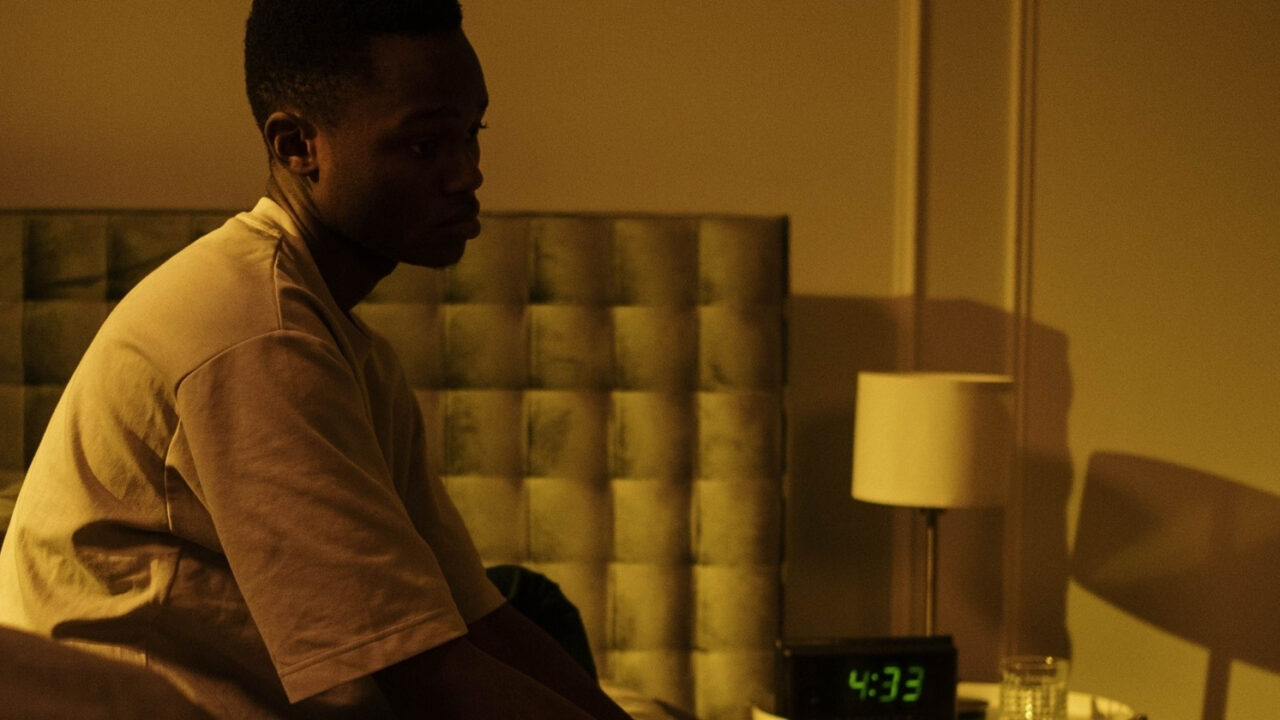
On the fourth day without sleep, a 17-year-old in San Diego looked at a street sign and saw a person. Not long after, he was convinced he was Paul Lowe, the San Diego Chargers running back.
His friends found this hilarious. Randy Gardner weighed about 130 pounds.
It was a science-fair project, not a formal laboratory study. It would become one of the most famous cases in sleep research, and one of the most misremembered.
A holiday experiment
Late in December 1963, during the Christmas break, Gardner and two classmates from Point Loma High School, Bruce McAllister and Joe Marciano, set out to beat the record for staying awake. The mark to beat was 260 hours, just under 11 days. They planned to write up what happened and enter it in the Greater San Diego Science Fair.
Gardner started at 6 a.m. on 28 December. The first days were almost easy. The worst stretch, he later said, was always just before dawn, when his eyes felt full of sand. Once the sun came up, he felt better.
He used no stimulant drugs. His friends took turns watching him, even in the bathroom, and they filled the nights with doughnut shops, a visit to the local jail and a lot of surf music. After a few days, Stanford sleep researcher William Dement joined the watch. A US Navy doctor, Lieutenant Commander John J. Ross, was called in to keep an eye on Gardner's health.
Then the street sign moved
By day four the tone had changed. Gardner became moody and paranoid. He was sure people were talking about him, staring at him. Then came the first clear break with reality: a street sign that looked like a person, followed by the brief conviction that he was a professional football player.
The episode did not last. In a later account, Gardner himself treated it almost as a joke. It was not, though, the only crack.
In the days that followed, his speech slowed. He started sentences he could not finish. He struggled to name ordinary objects. On day ten he decided a radio host was trying to make him look foolish. On the eleventh day, asked to count backwards from 100 in sevens, he stopped at 65 and could not remember what he was supposed to be doing.
He had been awake for 264 hours, 11 days, when the vigil ended on 8 January 1964. At a naval hospital he slept for just over 14 hours. When he woke, he said he felt fine.
The story that stuck
If you have heard of Gardner at all, you may have heard a tidier version: that he stayed up for 11 days, beat a scientist at pinball, and walked away unharmed.
That version owes a good deal to Dement, who later described taking the teenager out and finding him still able to play. At a press conference, Gardner appeared, to many reporters, surprisingly intact. The idea took hold that extreme sleeplessness is unpleasant, even impressive, but not really dangerous to the mind.
Ross's 1965 report in the Archives of Neurology said otherwise. It is a record of one teenager, not a modern clinical trial, and the football delusion was brief. Even so, the notes show a clear slide: first the eyes, then mood and memory, then hallucinations, then thought that would not hold together.
A pattern, not a one-off
Scientists cannot repeat an 11-day vigil today. Keeping people awake for more than about 48 hours is now considered unethical. That is why the old cases still matter, and why they have to be read with care.
In 2018, psychiatrists in Australia and the Netherlands reviewed 21 historical studies of sleep loss, involving 760 people, from a single night up to 11 days. Gardner's case was one of them. The sequence was strikingly consistent.
After a day or two, people reported visual glitches, irritability and a slipping sense of time. Complex hallucinations and muddled thinking tended to arrive after two to four days. Delusions often appeared after about 72 hours, which is right around Gardner's fourth day. In many people, a proper sleep cleared the symptoms. In some, they lingered.
One teenager's football fantasy, then, fits a wider pattern. It does not prove that every exhausted person will lose their grip. And it should not be stretched into a claim that 11 days without sleep is safe because he later woke up and went back to school.
You do not need 11 days
Most of us will never stay up for a science fair. The more ordinary kind of sleeplessness is quieter, and easier to miss.
In a 2003 laboratory study, researchers at the University of Pennsylvania had 48 healthy adults spend two weeks with eight, six or four hours in bed each night, or three nights with no sleep at all. After a fortnight, those on six hours a night were performing about as badly as people who had missed a whole night. Those on four hours looked more like people who had missed two.
They did not feel the decline matching the tests. Their sleepiness ratings flattened out, even as their performance kept getting worse.
Gardner thought he had won a battle of will. "It's just mind over matter," he told reporters when it was over. The later evidence is less romantic. The mind does not hold the line as neatly as it thinks, and it does not take 11 days to find that out.