By

Every Christmas, her brother buys her something to do with horses.
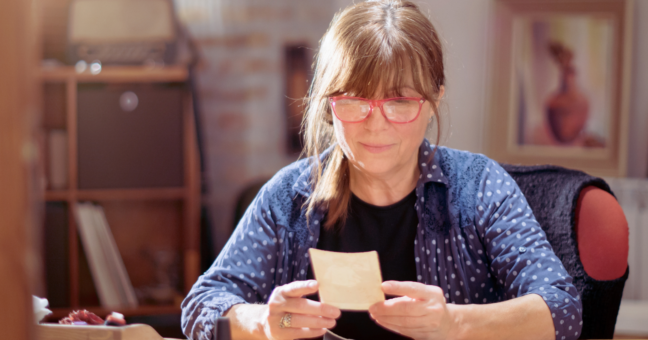
She loved horses when she was 14. She's now 61. She hasn't ridden in four decades and lives in a flat in the middle of a city. She thanks him warmly every year and means it. But each time she unwraps another equestrian calendar, there's a small, quiet ache she finds hard to explain.
He loves her. He just loves the girl she used to be.
What changes, and what doesn't
People change far more than they expect to. In a well-known 2013 study, Harvard psychologist Daniel Gilbert and colleagues surveyed more than 19,000 people aged 18 to 68. They asked some to predict how much their personality, values and tastes would change over the next decade, and others to say how much they'd changed over the past one.
At every age, people predicted far less change ahead than people the same age looking back actually reported. The researchers called it the "end of history illusion". We tend to believe we've finally become who we'll always be, even though we've never stopped changing before.
The study has had critics, partly because it relies on people's memories of their past selves. But its basic point is hard to argue with. Your values at 55 are rarely your values at 30, and your tastes at 70 aren't the ones you had at 45.
Why the people closest to us are often the last to notice
The tricky part is that this illusion seems to apply to how we see other people, too.
We form our picture of family and old friends during a particular stretch of life, often a long time ago. After that, we tend to fill in the gaps from memory rather than updating it. A brother sees his sister as she was when they lived under the same roof. Old friends remember who you were at university. Children often see a parent mainly through the role of parent.
Nobody does this deliberately. It's just easier to keep an old, familiar picture than to keep checking whether it's still accurate. It's also worth remembering that the person who has changed is usually just as guilty of holding outdated pictures of everyone else.
Why being known matters so much
Being loved and being understood aren't quite the same thing, and the brain seems to treat them differently.
In a 2014 brain-imaging study at UCLA, researchers had volunteers share personal experiences and then read responses suggesting they had or hadn't been understood. Feeling understood activated areas linked with reward and social connection, including the ventral striatum, part of the brain's reward system. Not feeling understood lit up a different region, the anterior insula, which is associated with negative feelings.
The study was small and done in a lab, so it doesn't prove anything about family life. But it fits something most people sense: being seen accurately feels good in a way that affection alone doesn't.
Lonely, but surrounded
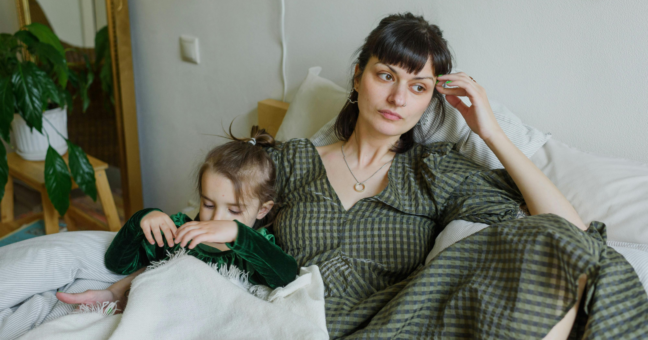
That's what makes this kind of loneliness so hard to name. On paper, nothing is missing. You're loved and included, and the phone still rings on your birthday.
Yet some part of you isn't being met. Perhaps the conversations always circle back to who you were. Maybe your new interests get a polite nod and are never mentioned again. You might find yourself shrinking back into an old version of yourself at family gatherings, because it's simpler than explaining who you are now.
Psychologists sometimes describe loneliness as the gap between the connection you have and the connection you want. By that definition, you can be lonely in a crowded kitchen.
Updating the picture
There isn't a neat fix for this, but there are small ways to narrow the gap from either side.
If you're the one who's changed, it can help to say so out loud, without fuss. Mention the new interest more than once. Invite people into the parts of your life they don't know about yet. They may simply not realise there's anything new to see.
If you're the one doing the loving, the simplest step is curiosity. Ask an older parent, sibling or friend what they're into these days, what they're reading, or what they think about something now rather than what they used to think. Then remember the answer.
As for the woman with the horse calendars, she finally told her brother she'd taken up painting. The next Christmas, he gave her a set of brushes. She said it was the best present he'd given her in years. What mattered wasn't the brushes. It was that he'd noticed.