By
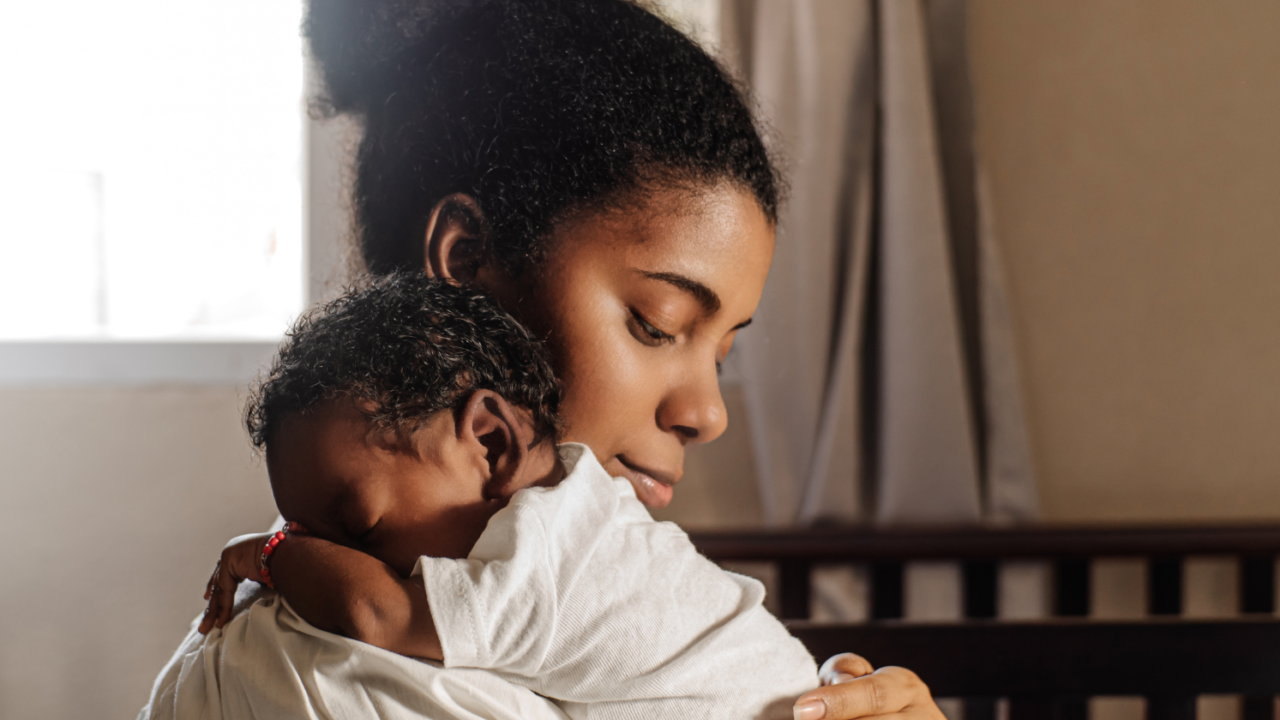
Many mothers describe a bond with their children that feels almost physical, as if a part of each child is still with them years after birth. It sounds like poetic language. But research suggests there’s a surprising biological truth behind it.
During pregnancy, cells pass between a mother and her baby. Some of those cells can stay in the mother’s body long after the birth, and scientists have found them in places as unexpected as her brain.
A two-way exchange during pregnancy
The placenta is often thought of as a barrier that keeps the mother’s and baby’s blood separate. In reality, it isn’t a perfect seal. Small numbers of cells cross in both directions throughout pregnancy.
Scientists call this microchimerism. The name comes from the chimera of Greek mythology, a creature made of parts from different animals. In biology, it describes having a small number of cells in your body that came from another person.
Some of these fetal cells don’t simply disappear after the baby is born. They can settle in the mother’s tissues and remain there, sometimes for the rest of her life.
Still there decades later
One of the first signs of how long these cells can last came from research led by Diana Bianchi in the 1990s. Her team found fetal cells in the blood of women who had given birth to sons as long as 27 years earlier.
Since then, researchers have found fetal cells in many of a mother’s organs, including her lungs, skin, thyroid, liver and heart.
Found in the brain
For a long time, scientists didn’t know whether fetal cells could reach the brain. The brain is protected by the blood-brain barrier, a tightly controlled boundary that keeps most cells and substances in the blood from entering.
In 2012, a team led by William Chan and J. Lee Nelson at the Fred Hutchinson Cancer Research Center in Seattle looked for an answer. They examined brain tissue from 59 women who had died between the ages of 32 and 101, searching for genes from the Y chromosome. Since women don’t have a Y chromosome, any male DNA would most likely have come from another person, usually a son.
They found male DNA in 63 percent of the women’s brains, spread across several brain regions. The oldest woman with male DNA in her brain was 94, suggesting these cells can persist for a lifetime.
How the cells may get in
Researchers believe that during pregnancy, the blood-brain barrier may become slightly more permeable, allowing some fetal cells to slip through. Animal research supports this. Studies in mice have found that fetal cells can reach the mother’s brain and may even develop into cells that look like neurons.
The 2012 study could only detect male DNA, so it couldn’t measure cells from daughters. Female fetal cells likely reach the mother’s brain too, but they’re much harder to tell apart from her own cells.
Helpful, harmful or both?
Scientists still don’t know exactly what these cells do. In some cases, they may help. Research in animals suggests fetal cells may gather at sites of injury and possibly assist with repair.
In other cases, they may contribute to problems. Fetal microchimerism has been linked to certain autoimmune diseases and to both higher and lower risks of some cancers, depending on the type.
The brain study raised an intriguing question about Alzheimer’s disease. Women with Alzheimer’s tended to have less male DNA in their brains than women without it. But the researchers cautioned that the study was small, and most of the women’s pregnancy histories were unknown, so no link could be established.
What we still don’t know
The research has real limits. In the 2012 study, only a handful of the women were known to have had sons. Some of the male DNA may have come from other sources, such as a miscarriage, a twin or a blood transfusion.
Scientists also don’t yet know how common these cells are in living women, how many there are, or what role they play in long-term health. Answering those questions will take larger studies with detailed medical and pregnancy records.
A connection that goes both ways
Microchimerism isn’t only a mother’s story. Cells from mothers can also pass into their babies and stay in the child’s body for years. Some researchers have even suggested that cells may pass between siblings through the mother.
So when a mother says her children are a part of her, the science suggests it may be true in more ways than one. Long after the baby has grown, a few of its cells may still be quietly living inside her, including in her brain.