The Brain Estimates are that brain aneurysms occur in around 2-5% of the population. Fortunately, most of them are asymptomatic...https://t.co/9FyobUbNc0 Neuroscientifically Challenged Editorial Team · August 27, 2021
The Brain We still don’t have a good understanding of what happens in the brain to cause the diverse symptoms of schizophreni… https://t.co/vUvowtcLE4 Neuroscientifically Challenged Editorial Team · August 1, 2021
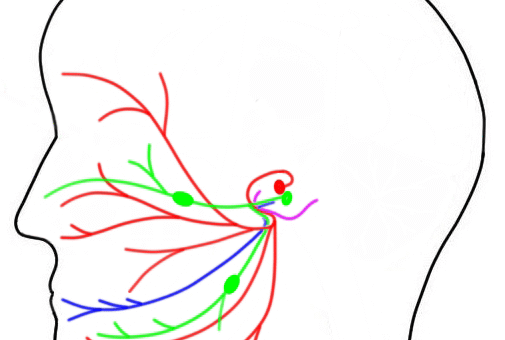
The Brain Bell’s palsy is the most common reason for facial nerve paralysis, but its cause is unclear. Learn more about the s… https://t.co/bNXf9pB0JA Neuroscientifically Challenged Editorial Team · July 14, 2021
Senses & Body 2-Minute Neuroscience: Bell's Palsy Neuroscientifically Challenged Editorial Team · July 14, 2021
Senses & Body Tinnitus, sometimes called “ringing in the ears,” can be an agonizing condition. Learn more about the neuroscience… https://t.co/I9QOVEqLnw Neuroscientifically Challenged Editorial Team · June 12, 2021
Senses & Body 2-Minute Neuroscience: Tinnitus Neuroscientifically Challenged Editorial Team · June 12, 2021
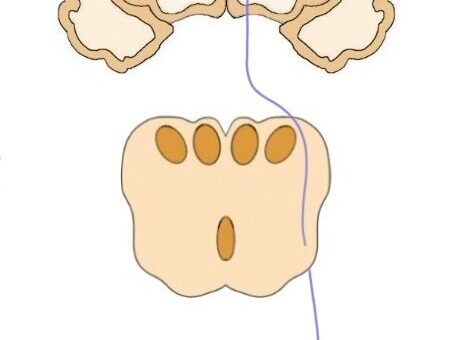
The Brain Know Your Brain: Spinothalamic Tract Neuroscientifically Challenged Editorial Team · May 27, 2021
The Brain RT @MAG2ART: This cell kind of looks like a person. DNA in the nucleus and mitochondria photographed through a microscope. #CellBiology #Mi… Neuroscientifically Challenged Editorial Team · May 17, 2021
Feeling Some consider ketamine to be one of the biggest developments in depression research in decades. Learn about how it… https://t.co/jKDIWHglsx Neuroscientifically Challenged Editorial Team · May 15, 2021