By
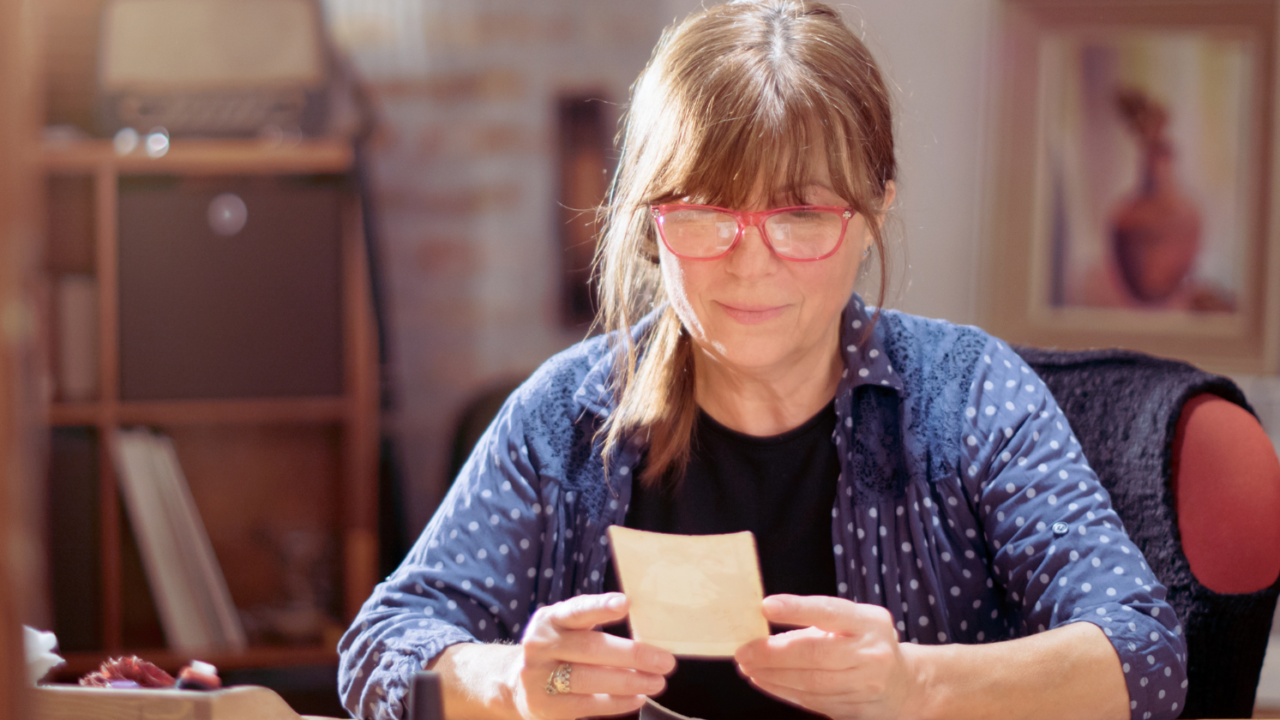
The family is helping their mother prepare to move into a smaller home. They suggest clearing out the spare room: the boxes of old letters, the china that hasn’t been used in years, the sewing machine nobody touches. She agrees in principle, but every time they pick up an item, she has a reason to keep it.
To her children, it can look like stubbornness. Research on older adults and their possessions suggests something deeper is often going on.
A lifetime of things
Over the course of adult life, most people build up a large collection of belongings. Furniture, books, tools, photos, clothing and kitchen equipment all help us live the roles we take on, as workers, partners, parents and homeowners.
The gerontologist David Ekerdt of the University of Kansas calls this the “material convoy”: the belongings that travel with us through life, from home to home. In theory, you might expect people to shed many of these things as they age and their lives become simpler. In practice, that often doesn’t happen.
Older people clear out less
In a 2014 study, Ekerdt and Lindsey Baker analysed survey data from thousands of Americans over 50 in the Health and Retirement Study. They found that people became progressively less likely to give away, sell or throw out belongings as they got older.
After age 70, about 30 per cent said they had done nothing in the past year to clean out, give away or donate things, and more than 80 per cent had sold nothing. The pattern held even after accounting for health problems, suggesting it wasn’t simply that people were too frail to sort through their belongings.
Things as part of the self
One reason is that possessions are about more than usefulness. In an influential 1988 paper, the consumer researcher Russell Belk argued that people come to see their belongings as part of their “extended self”. Our things reflect our history, our relationships and who we are.
For older people, possessions often act as reminders of a whole life: a wedding gift, a child’s drawing, tools from a long career or a parent’s watch. Getting rid of these objects can feel like erasing part of that history, especially when other parts of life, such as work, health or independence, are also changing.
Why moving is so hard
The process becomes most intense when older people move to a smaller home. In a study of 30 households that had recently moved, Ekerdt and colleagues found that clearing out a home, which they called “household disbandment”, usually took about two months and involved many difficult decisions.
People sorted their things in many ways: giving them to family, selling them, donating them or throwing them away. Interestingly, many took real pleasure when their belongings went to people who would use and value them as they had. That gave them a sense that they were looking after their things, even as they let them go.
Not the same as hoarding
Keeping many belongings in later life is common and usually harmless. It’s different from hoarding disorder, a mental health condition in which people have persistent difficulty discarding things, to the point that their homes become cluttered and unsafe.
If clutter is causing safety problems, such as blocking exits or creating fall or fire risks, it’s worth seeking professional help. But for most older people, holding on to belongings is a normal response to meaning and memory, not a disorder.
Helping with care
Families can make the process easier by treating possessions as more than clutter. Asking about the stories behind objects, taking photos of items before they go, or finding a relative or friend who would truly appreciate something can make letting go less painful.
It also helps to start early, before a move or health crisis forces rushed decisions. Going through belongings slowly, a room or a box at a time, gives older people more control over where their things end up. Often, what they want most isn’t to keep everything, but to know that the things that mattered to them, and the life they represent, will be respected.