By
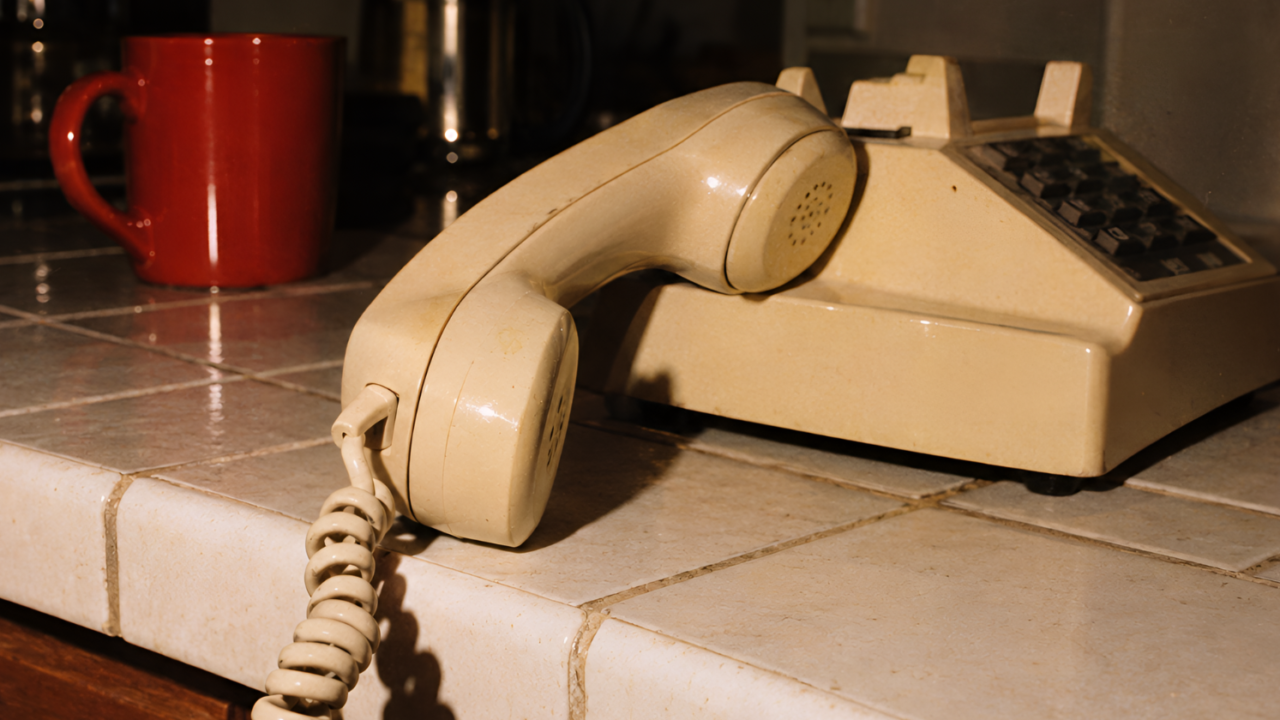
Ask a group of adults to recite the phone number of the house they grew up in, and many will rattle it off without a pause. Some haven’t dialled it in 30 or 40 years. The house may have been sold, the line disconnected, the people who once answered it long gone.
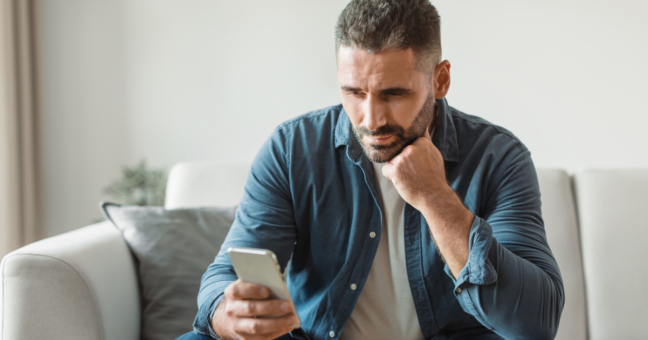
Yet the same people often can’t recall the mobile number of their own partner or children. So why does an old landline number stick so firmly, when numbers we use every week slip away?
A surprisingly common memory
In 2015, the cybersecurity company Kaspersky Lab surveyed thousands of people about the information they kept in their heads. In its US survey of 1,000 adults, 67 percent could remember the phone number of the house they lived in at age 15. Only about a third could dial their own child’s number from memory.
A larger European survey of 6,000 people found a similar pattern. Many could phone their childhood home from memory, but not their children, their partner or their workplace. Kaspersky called this “digital amnesia”: forgetting things we trust our devices to remember for us.
Repetition built the memory
The simplest explanation is practice. Before mobile phones, you had to know your home number. You gave it to friends, wrote it on forms and dialled it from phone boxes and other people’s houses. Teachers and parents often made children learn it by heart in case they got lost.
All that repetition turned the number into an overlearned memory, one practised so many times that it became deeply fixed. Memories like this can last for decades, even without use, in the same way people can still sing the songs or recite the times tables they learned as children.
Why we no longer remember numbers
Today, most of us never need to memorise a phone number. We tap a name, and the phone does the rest. Research suggests our brains adapt to this.
In a 2011 study published in Science, psychologists Betsy Sparrow, Jenny Liu and Daniel Wegner found that when people expected information to be saved on a computer, they were less likely to remember it themselves. They were, however, better at remembering where it was stored. The brain treats our devices as an external memory, so it doesn’t bother holding on to what we can look up.
The emotional part of the memory
Repetition explains why the number lasted, but it may not be the whole story. Memories tied to emotion tend to be stronger and longer-lasting. A small almond-shaped region deep in the brain called the amygdala helps flag emotionally important experiences, working with the hippocampus to make those memories more lasting.
For many people, the home phone number was linked to safety and belonging. It was the number you called when you needed a lift, when something went wrong or when you were homesick on a school trip. No study has measured exactly what people feel when they recall an old number, but it makes sense that a memory connected to home, family and security would feel different from a string of random digits.
Memories that bring the past back
Old phone numbers can work like other strong reminders of the past, such as a familiar song or the smell of a childhood kitchen. Recalling one detail can bring back a rush of related memories: the hallway where the phone sat, the sound of a parent’s voice, the ring of the bell.
Psychologists call these personal recollections autobiographical memories. Those from late childhood and early adulthood tend to be especially vivid and well remembered, and often shape our sense of who we are. It’s not surprising that the number of a childhood home can carry a sense of comfort or loss, especially when the people who once answered are no longer there.
Should we still learn numbers?
Not memorising numbers is mostly harmless. But it can matter in an emergency, if your phone is lost, broken or out of battery. Learning a few key numbers, such as a partner’s, a parent’s or a close friend’s, is a small step that could prove useful one day.
The old landline number may never be useful again. But it’s a reminder of how memory works: what we repeat, what matters to us and what we connect with feeling tends to stay. For many people, a handful of digits from decades ago is a small, surprisingly durable link to the home they grew up in.