By
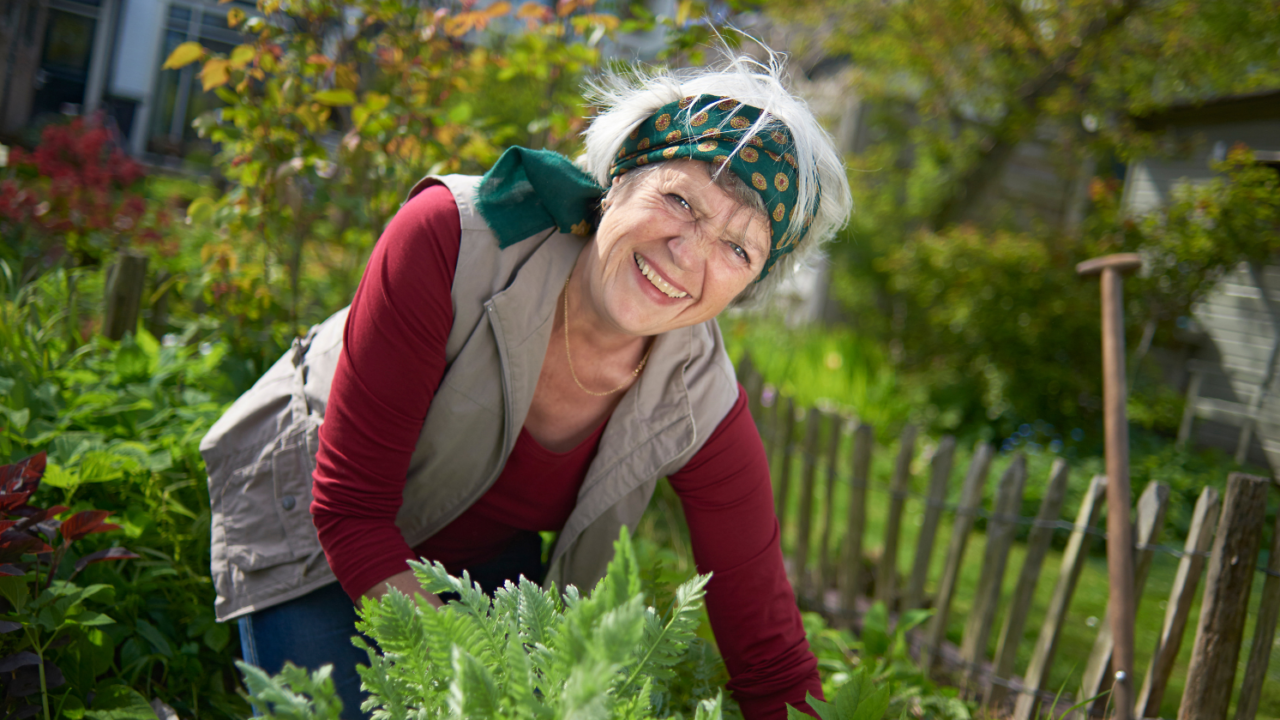
The invitation arrives, and your mother or uncle politely declines. It’s another big gathering, the kind they would once have gone to without a second thought. Instead, they’d rather spend the afternoon among their roses or tomatoes, with the radio on and nobody to make small talk with.
Family members sometimes worry about this. Is it a sign of loneliness, or of someone withdrawing from the world? Research suggests it’s often neither. As people get older, many make a quiet but deliberate choice about where their time goes, and it often leaves them feeling better.
Social circles shrink, but not at random
In a long-running study, psychologists Tammy English and Laura Carstensen at Stanford University followed adults of all ages for more than a decade. Participants described their social networks and recorded their emotions throughout the day, in week-long bursts repeated every five years.
The researchers found that social networks grow through young adulthood and then shrink steadily in later life. But the shrinking wasn’t spread evenly. People mainly let go of casual and peripheral contacts. The number of close relationships, the people who matter most, stayed relatively stable.
Fewer people, better days
The study also looked at how these changes affected people’s moods. What mattered most wasn’t how many people someone knew but how those people made them feel. Relationships that brought frequent negative emotions weighed on everyday wellbeing.
As people aged, their networks tended to contain fewer of these difficult relationships. Older participants reported that the people around them brought more positive feelings and fewer negative ones. That shift was linked to better emotional experience in daily life.
Why priorities change
Carstensen’s broader research, known as socioemotional selectivity theory, helps explain why. When the future feels long, as it usually does in youth, people tend to seek out new contacts, information and opportunities. When time feels more limited, they focus on what feels meaningful now.
That often means spending energy on a few trusted relationships and enjoyable activities, rather than on obligations, office politics or crowded social events. It isn’t that older people stop caring about others. They become more selective about where their care goes.
The quiet power of time alone
Time alone has its own benefits. In a 2018 study, psychologist Thuy-vy Nguyen and colleagues at the University of Rochester asked people to spend 15 minutes alone, without phones or other distractions, and measured how they felt before and afterwards.
They found that solitude had a calming effect, lowering intense emotions such as anxiety, anger and excitement. The benefits were greatest when people had chosen to be alone. Solitude that people wanted, rather than solitude forced on them, left them more relaxed and less stressed.
Why the garden helps
Gardening may add even more benefits. A 2017 analysis that combined 22 studies found that gardening was linked with a wide range of health benefits, including lower stress and depression and greater life satisfaction.
Gardening combines gentle physical activity, time outdoors and a sense of purpose. It gives people something to care for and to look forward to, and it changes with the seasons. For someone who has spent decades meeting other people’s needs, a garden can offer peace on their own terms.
When to look more closely
None of this means loneliness isn’t real. Some older people withdraw because of grief, illness, depression or difficulty getting around, not because they’ve chosen to. Loneliness in later life is linked to serious health risks, so it’s worth paying attention to.
The difference often lies in how the person seems. Someone who turns down parties but still enjoys a few close relationships, keeps busy with things they love and seems content is probably choosing their life carefully. Someone who has stopped seeing anyone, seems low or has lost interest in things they once enjoyed may need support. If you’re unsure, the simplest step is to ask, and perhaps to join them in the garden for an hour instead.