By
It’s 3:30 on a weekday afternoon in 1972. A seven-year-old walks home from school alone, lets herself in, grabs a snack and heads back out to find friends. Nobody knows exactly where she is until the streetlights come on.
For many people who grew up in the 1960s and 70s, that was simply normal. Today it would worry most parents. Psychologists have started asking what those long, unsupervised hours may have taught children, and what is lost when they disappear.
How much freedom children used to have
Some of the clearest evidence comes from England. In 1971, researcher Mayer Hillman surveyed schoolchildren about how they got around. Around 80% of seven- and eight-year-olds went to school without an adult.
When the survey was repeated in 1990, that figure had fallen to 9%. A 2010 follow-up found the trend continued. In 1971, 86% of parents of primary school children let them travel home alone; by 2010, it was 25%. Studies in the US and Canada have found similar declines.
Why parents stepped back
The freedom of the 1960s and 70s wasn’t usually a parenting philosophy. It reflected the way life worked. Parents had busy lives, children were expected to entertain themselves, and neighbourhoods were full of other kids playing outside.
Over the following decades, attitudes changed. Fear of traffic and strangers grew, and in Hillman’s research, traffic danger was the main reason parents gave for keeping children close. Childhood also became more organised, with more lessons, sports practices and supervised activities. The result was far less time for children to be on their own.
What unstructured time may teach
In 2014, psychologists at the University of Colorado Boulder studied 70 six-year-olds. Parents recorded how their children spent their time, which researchers divided into structured activities, such as lessons and sports practices, and less-structured ones, such as free play, outings and reading.
The children who spent more time in less-structured activities scored better on a test of “self-directed executive function,” the ability to set goals and work out how to reach them without being told what to do. Children with more structured schedules tended to score lower.
Learning by figuring it out
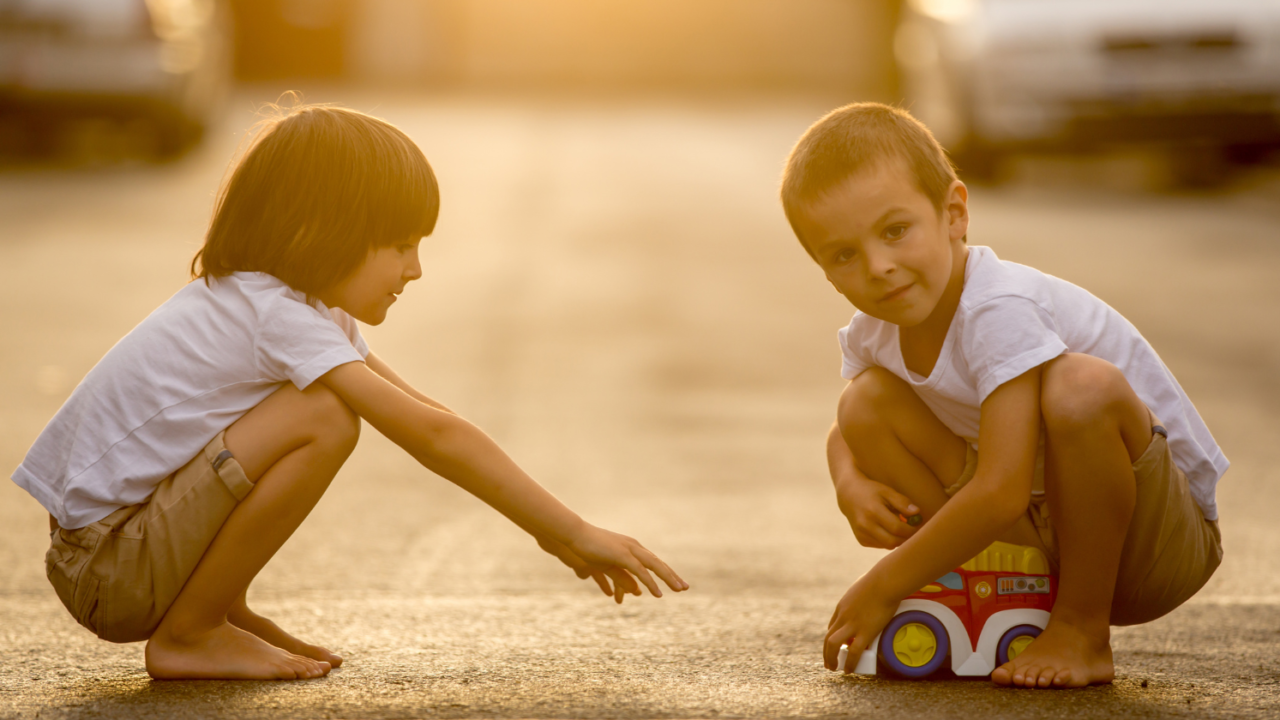
The idea behind this is simple. When an adult organises a child’s time, the adult makes most of the decisions. When children are left alone, they have to decide what to play, settle arguments, handle boredom and deal with small problems themselves.
Psychologist Peter Gray, who has spent years studying play, argues that this kind of free, child-led play is how children practise independence. A scraped knee, a falling-out with a friend or getting a little lost are small challenges, but solving them builds confidence that they can cope.
The other side of the story
This doesn’t mean the 1960s and 70s were a golden age. Many children faced real risks, including higher road death rates per journey and less protection from harm. Some children who spent long hours alone felt lonely or neglected, rather than free.
The research also has limits. The Colorado study shows a link, not proof of cause, and children who are already good at directing themselves may choose less-structured activities. No study has directly measured whether people who grew up in the 1960s and 70s are more self-reliant as adults.
What parents can take from this
The lesson isn’t to leave children alone for hours. It’s that children benefit from a regular share of time when adults aren’t directing them. Some practical ways to build that in:
- Leave gaps in the schedule. Not every afternoon needs a lesson or activity.
- Let boredom happen. Children often find their own projects once they’re given the chance.
- Hold back from solving every problem. Small frustrations are opportunities to practise.
- Increase independence gradually, such as walking to a friend’s house or a nearby shop, as children show they’re ready.
The children of the 1960s and 70s weren’t necessarily raised better. But many had something today’s children often lack: plenty of time to work things out for themselves.