By
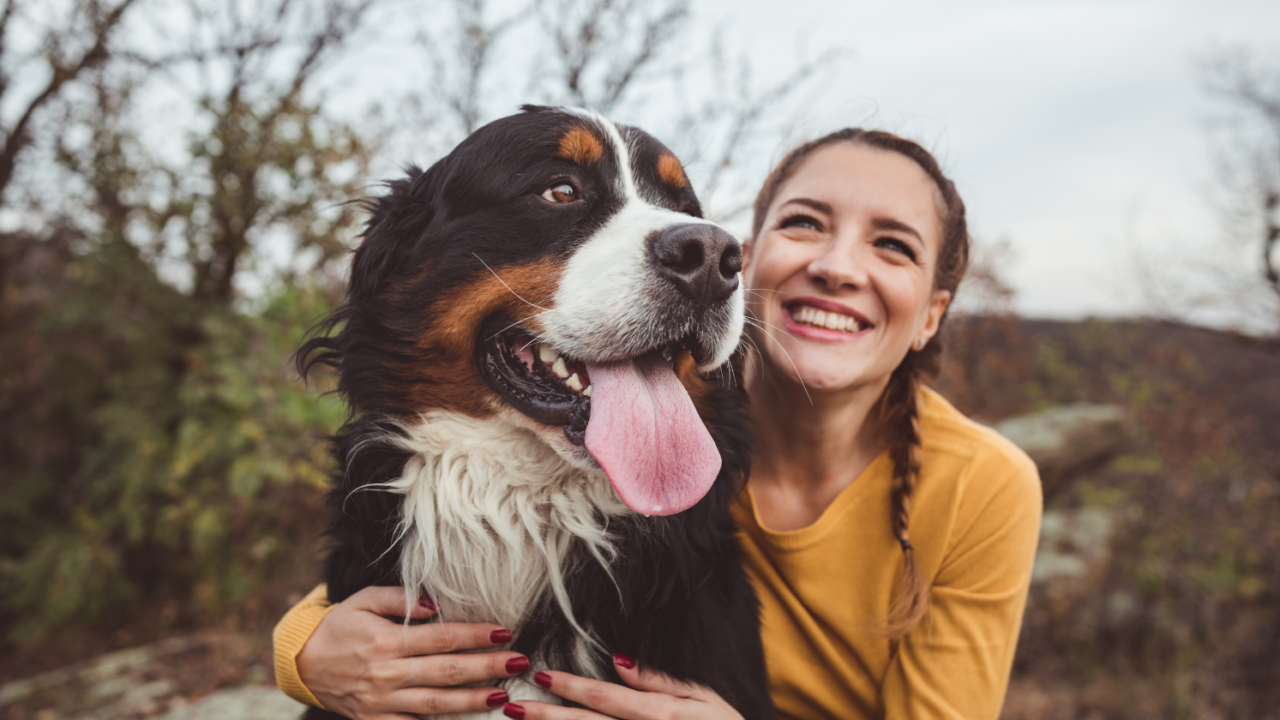
Some people describe their dog as a member of the family, or even as one of their children. Others roll their eyes at the idea. Surely, they say, the love between a person and a pet can’t compare with the love between people.
Brain science suggests the gap may be smaller than many assume. The bond between people and dogs draws on some of the same biological systems that connect parents to their children.
The power of a shared gaze
Among most animals, a long, direct stare is a threat. Wolves, dogs’ closest relatives, generally avoid it. But dogs and people often hold each other’s gaze in a relaxed, affectionate way, much as parents and babies do.
In a 2015 study published in Science, Japanese researchers led by Miho Nagasawa found that when dogs and their owners gazed at each other, oxytocin levels rose in both. Oxytocin is a hormone involved in bonding, trust and caregiving, including between mothers and newborns. Dogs that gazed longer at their owners triggered larger rises in their owners’ oxytocin, creating what the researchers described as a feedback loop. The same effect wasn’t seen with hand-raised wolves.
What happens in the brain
A separate study looked directly inside the brain. In 2014, researchers at Massachusetts General Hospital, led by Lori Palley and Luke Stoeckel, scanned the brains of mothers while they looked at photos of their own young child, their own dog, and unfamiliar children and dogs.
Several brain regions linked to emotion, reward and social bonding responded to both their own child and their own dog. These included the amygdala, which helps process emotional significance, and areas of the reward system, which is involved in motivation and pleasure.
Similar, but not identical
The study also found differences. The ventral tegmental area, a reward region tied to bonding, responded strongly to photos of the women’s own children but not to their dogs. Meanwhile, the fusiform gyrus, which helps process faces, responded more strongly to their dogs, perhaps because people rely so heavily on reading dogs’ faces.
In other words, love for a dog isn’t the same as love for a child. But it draws on overlapping systems, which helps explain why it can feel so powerful and so real.
Why it’s not a lesser bond
For many people, a dog provides daily companionship, routine, physical comfort and unconditional acceptance. Research has linked dog ownership with lower loneliness for some people, more physical activity and, in some studies, better heart health.
That’s also why losing a dog can hurt so much. Grief for a pet is real grief, and it can be as intense as the loss of a close human relationship. Yet people are often expected to move on quickly, which can make the loss feel lonelier.
The limits of the research
These studies are small. The 2015 oxytocin study measured hormone levels in urine, not directly in the brain, and the brain-imaging study involved only 14 mothers. Bonds also vary hugely between people and between dogs.
Still, the findings point in the same direction. The connection between people and dogs isn’t just sentimental imagination. It’s rooted in biology shaped by thousands of years of living side by side.
Strengthening the bond
You don’t need special training to build a closer bond with your dog. Regular, calm eye contact, gentle touch and shared activities such as walks and play all help. Dogs also thrive on routine and consistency.
If someone you know is grieving a pet, take it seriously. A kind message or a chance to talk about the animal they lost can mean a great deal.